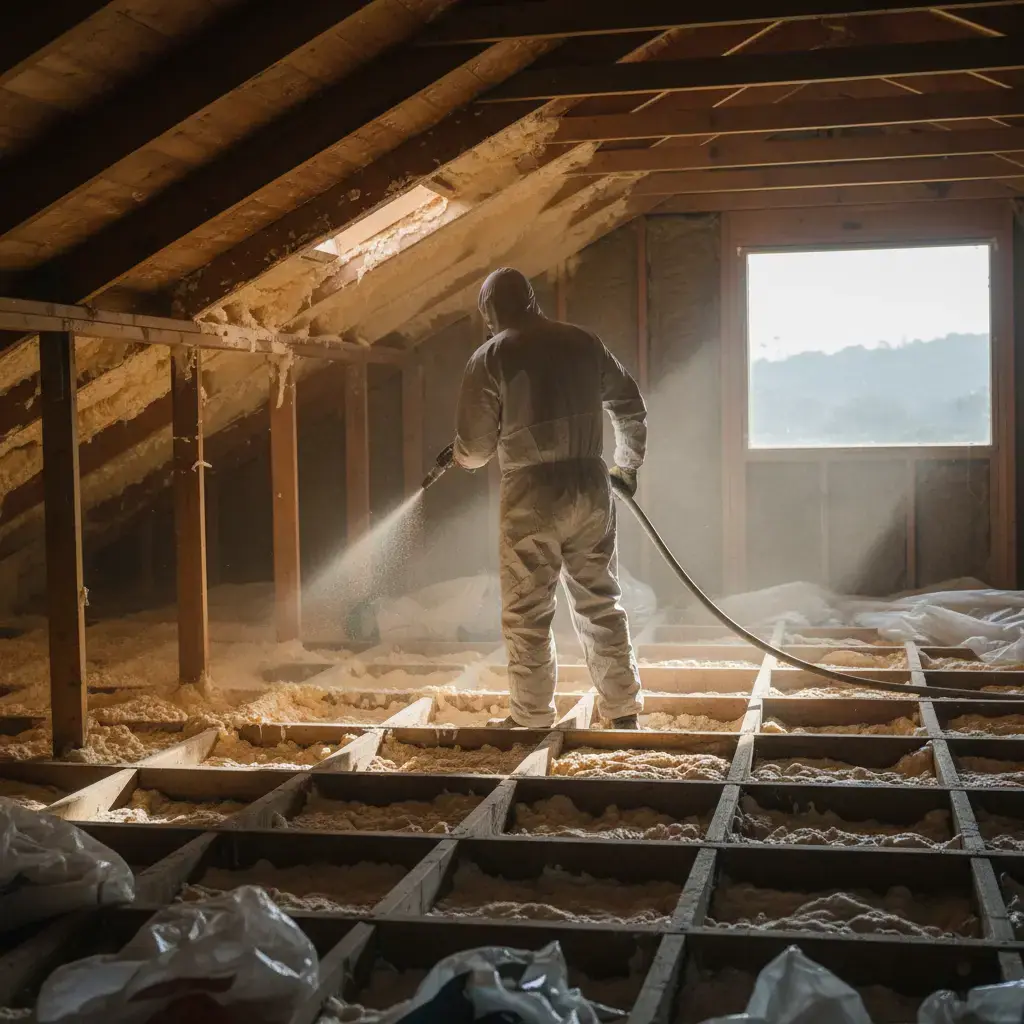
Crawl Space Insulation in Rolling Hills Estates, CA
Energy-Saving Crawl Space Insulation in Rolling Hills Estates, CA for Rolling Hills Estates, CA Homes — Licensed & Insured
Need crawl space insulation in Rolling Hills Estates, CA? High Return Insulation offers expert installation for coastal humidity & hillside homes. Call 310-496-8515.
Crawl space insulation is the installation of thermal and moisture-resistant materials beneath your home’s floor structure, sealing the area between the ground and your living space from energy loss, humidity, and unwanted pests. For homeowners in Rolling Hills Estates, CA, this service is not a luxury — it is a foundational necessity driven by the area’s unique coastal-adjacent climate, hillside terrain, and the architectural character of its residential neighborhoods.
Rolling Hills Estates sits on the Palos Verdes Peninsula, where marine layer, seasonal fog, and cool ocean breezes create persistent moisture conditions that penetrate unprotected crawl spaces. Homes built on sloped lots — common throughout the Estates — often have elevated crawl spaces with significant air exposure, making proper insulation critical to energy efficiency, indoor air quality, and structural integrity.
Read moreShow less
At High Return Insulation, we are a professional insulation contractor serving Rolling Hills Estates with comprehensive crawl space insulation solutions tailored to the specific demands of Peninsula living. Call us today at 310-496-8515 to schedule your assessment.
Understanding Crawl Space Insulation in Rolling Hills Estates, CA
A crawl space is the shallow, unfinished area beneath the floor of a home that provides access to plumbing, electrical systems, and structural components. In Rolling Hills Estates, crawl spaces are especially prevalent due to the hillside topography of the Palos Verdes Peninsula, where slab-on-grade construction is less common. Instead, many homes are built on pier-and-beam or raised foundation systems that create crawl spaces ranging from 18 inches to over four feet in height.
Crawl space insulation works by installing insulating materials — such as fiberglass batts, rigid foam board, or spray foam — either between the floor joists above (a vented crawl space approach) or along the interior walls and floor of the crawl space itself (an encapsulation approach). The goal is to reduce heat transfer between the cold, damp ground environment and the conditioned living space above.
Read moreShow less
Historically, many homes in Rolling Hills Estates were constructed during the post-war suburban expansion of the 1950s through the 1970s, when insulation standards were far less rigorous than current California Title 24 energy codes require. Homes from this era frequently have inadequate or entirely absent crawl space insulation, leaving families with cold floors in winter, elevated energy bills, and moisture-related issues that worsen over decades.
The Palos Verdes Peninsula’s geography plays a defining role. Rolling Hills Estates is situated at elevations ranging from approximately 400 to nearly 1,400 feet above sea level. This elevation, combined with the area’s position relative to the Pacific Ocean, means that even during warm Southern California summers, nighttime temperatures can drop into the low 50s°F and crawl spaces remain substantially cooler and more humid than those found in inland Los Angeles communities. The California Energy Commission has recognized the Palos Verdes Peninsula as a distinct climate zone — Climate Zone 7 — reflecting these coastal-influenced temperature and humidity conditions.
Modern crawl space insulation practices go beyond simple thermal resistance. They address vapor control, air sealing, and pest exclusion as integrated components, providing a whole-system approach to home performance that is especially relevant in Rolling Hills Estates’ environment. Learn more about our comprehensive insulation services
Why Crawl Space Insulation Is Needed in Rolling Hills Estates
Coastal Marine Layer and Persistent Humidity
Rolling Hills Estates experiences a Mediterranean climate heavily influenced by the Pacific Ocean, classified under California’s Climate Zone 7. The marine layer — a dense, low-altitude cloud and fog system driven by the cold California Current — regularly envelops the Palos Verdes Peninsula from late spring through early fall, a period locals call “May Gray” and “June Gloom.” During these months, relative humidity levels in Rolling Hills Estates can reach 85 to 95 percent in the early morning hours. This sustained humidity penetrates exposed crawl spaces, condenses on cold surfaces, and saturates wood framing and insulation materials that lack proper vapor barriers.
The moisture content of crawl space air in uninsulated Rolling Hills Estates homes routinely measures between 70 and 80 percent relative humidity during coastal fog events — well above the 50 percent threshold at which mold and wood rot begin to accelerate. Over time, this moisture exposure weakens floor joists, compromises subfloor integrity, and degrades the indoor air quality of the entire home as humid, potentially mold-laden air migrates upward through floor gaps and penetrations.
Hillside Terrain and Soil Conditions
The Palos Verdes Peninsula is underlain by the Palos Verdes formation, a complex of sedimentary and volcanic rock overlain by expansive clay soils — particularly the Altamont and Diablo clay series — that are notorious for their high shrink-swell behavior. When these soils wet during the rainy season (typically November through March), they expand significantly. When they dry, they contract. This continuous movement creates gaps and cracks in crawl space foundations, allows groundwater infiltration, and disrupts vapor barriers that are not professionally installed and sealed.
The landslide-prone nature of the Peninsula, highlighted by the ongoing Portuguese Bend Landslide area immediately adjacent to Rolling Hills Estates and the Klondike Canyon Geologic Hazard Abatement District, means that homes in neighborhoods such as Sunnyside Ridge and along Crenshaw Boulevard south of Crest Road experience subtle but ongoing foundation movement that can open pathways for moisture and cold air into crawl spaces.
Aging Housing Stock and Outdated Standards
A substantial portion of Rolling Hills Estates’ residential inventory was built between 1955 and 1975, predating California’s modern Title 24 energy requirements, which were first established in 1978. Homes in neighborhoods such as Vista Grande and the original Rancho Palos Verdes tract developments that border the Estates were constructed with minimal floor insulation — often R-11 fiberglass batts or none at all. California’s current Title 24 standards require floor insulation of R-19 to R-30 in Climate Zone 7, meaning many Rolling Hills Estates homes are significantly underinsulated by modern standards.
Wildlife and Pest Pressure
The semi-rural, wildlife-rich environment of Rolling Hills Estates — home to free-roaming peacocks, coyotes, and numerous rodent species — creates unusual pest pressure on crawl spaces. Roof rats, Norway rats, and ground squirrels frequently access crawl spaces through foundation vents and gaps, nesting in and destroying fiberglass insulation. Compromised insulation allows cold air infiltration and dramatically reduces thermal performance.
Free, no-obligation estimates
Talk to High Return Insulation
Tell us what you need and we’ll take it from there.
Signs You Need Crawl Space Insulation in Rolling Hills Estates
Thermal Comfort Indicators
- Cold or uneven floors throughout the home, particularly during winter months when nighttime temperatures in Rolling Hills Estates drop below 45°F
- Drafts felt near floor level in rooms over the crawl space
- HVAC system running excessively to maintain set temperatures, resulting in unusually high energy bills
- Noticeable temperature differences of 5°F or more between upstairs and downstairs living areas
Moisture and Structural Warning Signs
- Musty or earthy odors emanating from floors, vents, or interior rooms — a hallmark indicator of mold activity in the crawl space
- Visible condensation on pipes, ductwork, or structural members when inspecting the crawl space
- Soft or springy spots in the floor, suggesting subfloor or joist deterioration from moisture exposure
- Peeling paint or warping hardwood floors, indicating elevated moisture vapor transmission from below
Pest and Biological Activity
- Evidence of rodent nesting, droppings, or insulation disturbance visible during crawl space inspection
- Visible mold growth on insulation, joists, or subfloor material
- Insulation hanging loose or falling away from between floor joists
If you are observing two or more of these symptoms, immediate professional assessment is strongly recommended. Delayed action in Rolling Hills Estates’ humid coastal environment accelerates structural deterioration rapidly. Learn about our insulation removal services
Our process
Our Crawl Space Insulation Process in Rolling Hills Estates
- 01
Initial Inspection and Assessment (1–2 Hours)
Our technician performs a thorough crawl space inspection, measuring the space dimensions, documenting existing insulation R-values, identifying moisture intrusion points, assessing vapor barrier condition, and noting any pest activity or structural concerns.
- 02
Removal of Damaged or Contaminated Insulation (2–6 Hours)
If existing insulation is damaged, rodent-contaminated, or waterlogged, our team removes it entirely using commercial-grade vacuum equipment. All debris is bagged and disposed of in compliance with Los Angeles County waste management regulations. Learn more ab
- 03
Crawl Space Cleaning and Sanitation (1–3 Hours)
Following removal, we clean and sanitize the crawl space, treating any surface mold with EPA-registered antimicrobial agents. This step is essential in Rolling Hills Estates where mold spore counts can be elevated due to coastal humidity. Explore our cleaning
- 04
Rodent Proofing and Pest Exclusion (1–4 Hours)
All foundation vents, pipe penetrations, and structural gaps are sealed with galvanized wire mesh, foam, or caulk to prevent re-entry of rodents. Given the high wildlife pressure in Rolling Hills Estates, this step is non-negotiable before new insulation insta
- 05
Vapor Barrier Installation (2–4 Hours)
A minimum 6-mil polyethylene vapor barrier — or a reinforced 10-mil barrier for homes in lower-lying or higher-moisture zones — is installed across the crawl space floor, overlapped and sealed at seams, and secured to foundation walls to prevent ground moistur
- 06
Insulation Installation (3–8 Hours)
New insulation is installed to meet or exceed California Title 24 Climate Zone 7 requirements. Method selection depends on crawl space configuration, access, and moisture conditions documented in Step 1. All work is performed to achieve a minimum R-19 to R-30
- 07
Final Inspection and Air Sealing (1–2 Hours)
We conduct a final walkthrough, verify uniform coverage, seal all air bypasses around pipes and ducts, and provide the homeowner with a written summary of work completed and maintenance recommendations specific to their Rolling Hills Estates property. Total pr
Crawl Space Insulation Methods and Approaches
Fiberglass Batt Insulation
Fiberglass batts are installed between floor joists in vented crawl spaces, providing R-11 to R-38 values depending on thickness and density. This method is cost-effective for homes with standard joist spacing (16 or 24 inches on center) and adequate clearance — common in the 1960s-era ranch-style homes found throughout Rolling Hills Estates. Learn more about fiberglass insulation
Spray Foam Insulation
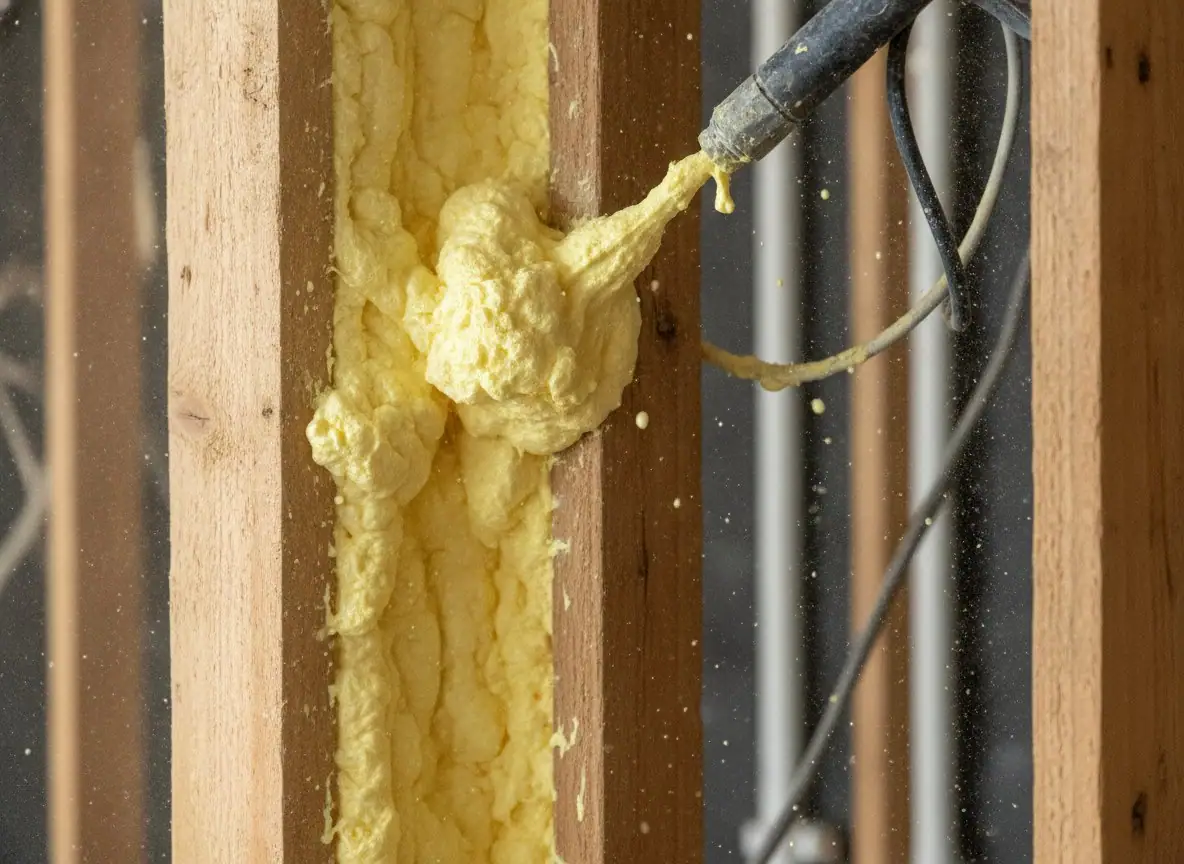
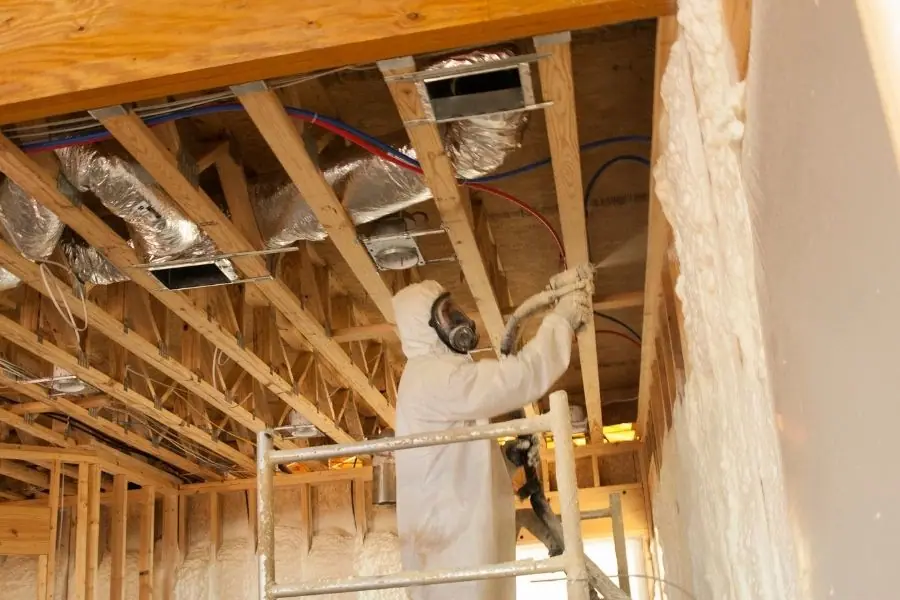
Closed-cell spray polyurethane foam is applied to the interior walls and rim joists of an unvented crawl space, creating a conditioned, sealed environment. With an R-value of approximately R-6.5 per inch, closed-cell spray foam also acts as a vapor barrier, making it the preferred choice for Rolling Hills Estates homes with known moisture infiltration issues or expansive clay soil movement that creates ongoing gaps. Explore spray foam insulation options
Blown-In Insulation
Blown-in cellulose or fiberglass is appropriate for irregularly shaped crawl spaces where batt installation is impractical. This method provides excellent coverage around obstructions such as plumbing and cross-bracing. Learn about blown-in insulation
Encapsulation with Rigid Foam Board
Rigid foam board panels installed along crawl space walls and flooring create a fully encapsulated conditioned crawl space — the highest-performance solution for homes with severe moisture challenges. This approach is increasingly recommended for Rolling Hills Estates properties near drainage courses or in low areas where seasonal water table elevation is a concern.
Crawl Space Insulation Cost in Rolling Hills Estates, CA
Understanding the cost of crawl space insulation in Rolling Hills Estates requires accounting for several location-specific variables. Below are typical price ranges for our service area.
General Price Ranges
- Fiberglass Batt Installation (vented crawl space): $1,500 – $3,500 for an average 1,200–2,000 sq ft home footprint
- Spray Foam Insulation (conditioned crawl space): $3,500 – $8,000+ depending on height, access complexity, and linear footage of walls
- Full Encapsulation (vapor barrier + rigid foam + air sealing): $5,000 – $12,000 for comprehensive treatment
- Insulation Removal (prior to reinstallation): $800 – $2,500 depending on existing material type and contamination level
- Vapor Barrier Installation Only: $1,200 – $2,800
Read moreShow less
Rolling Hills Estates-Specific Cost Factors
Homes in Rolling Hills Estates frequently command pricing at the higher end of regional ranges due to several local factors: difficult access created by hillside terrain and pier-and-beam foundations with low clearance; the need for enhanced vapor barriers given coastal humidity levels; additional rodent exclusion work required by the Peninsula’s wildlife environment; and the higher cost of labor and permitting within the Los Angeles County jurisdiction that governs Rolling Hills Estates.
California utility rebates through Southern California Edison and Southern California Gas may offset a portion of insulation costs. Our team can help identify applicable programs during your initial assessment. Contact us at 310-496-8515 for a precise, no-obligation quote based on your specific property.
Rolling Hills Estates Neighborhoods We Serve
Sunnyside Ridge
Located along the southeastern edge of Rolling Hills Estates, Sunnyside Ridge features many homes built in the 1960s on hillside lots with elevated crawl spaces of 3 to 5 feet. The combination of coastal exposure and proximity to the Portuguese Bend geological zone means moisture intrusion and foundation movement are ongoing concerns requiring robust encapsulation solutions.
Caballeros Road and Equestrian Corridor
The equestrian-zoned properties along Caballeros Road include ranch-style homes from the 1950s and 1960s with wide footprints and correspondingly large crawl spaces. These properties often have original fiberglass batts from initial construction that have degraded significantly over 50-plus years and require full removal and replacement.
Palos Verdes Drive North Corridor
Homes along Palos Verdes Drive North tend to be from the 1970s construction era with more standardized floor plans but older vapor barriers that have failed over decades of clay soil expansion and contraction cycles. Spray foam and encapsulation upgrades are frequently recommended here.
Crenshaw Boulevard Transitional Zone
Properties in the northern part of Rolling Hills Estates near Crenshaw Boulevard include both older post-war construction and some 1980s–1990s builds. The varied housing stock requires individualized assessment to determine the appropriate insulation strategy.
Crawl Space Insulation Maintenance Tips for Rolling Hills Estates Homeowners
- Annual Inspection During Dry Season (September–October): Inspect your crawl space each fall before the rainy season begins. Look for vapor barrier damage, pest intrusion, and insulation displacement.
- Monitor Foundation Vents: Ensure vents are not blocked by vegetation or debris, and verify screens are intact. In Rolling Hills Estates, rodent pressure makes vent screening critical year-round.
- Check for Water Intrusion After Rain Events: After significant storms — particularly during El Niño years when Peninsula rainfall can exceed 25 inches seasonally — inspect for standing water or mud intrusion in the crawl space.
- Maintain 12-Inch Ground Clearance Around Foundation: Keep soil graded away from the foundation to reduce moisture wicking through foundation walls and into the crawl space.
- Address Plumbing Leaks Immediately: Even small plumbing drips in the crawl space will saturate insulation rapidly in Rolling Hills Estates’ already-humid environment.
- Inspect Vapor Barrier Seams Annually: Clay soil movement can shift and tear vapor barriers; reseal any gaps promptly.
- Professional Inspection Every 3–5 Years: Schedule a professional crawl space evaluation to assess insulation R-value performance and overall system integrity.
Why Choose High Return Insulation for Crawl Space Work in Rolling Hills Estates
High Return Insulation is a professional insulation contractor with direct experience serving the unique conditions of Rolling Hills Estates and the broader Palos Verdes Peninsula. We understand the specific challenges that coastal humidity, expansive clay soils, hillside foundations, and the Peninsula’s wildlife environment create for crawl space performance — challenges that contractors without local experience routinely underestimate.
Our team installs crawl space insulation to current California Title 24 Climate Zone 7 standards, using materials and methods appropriate for the marine-influenced environment of Rolling Hills Estates rather than applying one-size-fits-all inland California approaches. We offer a full range of complementary services — from insulation removal and crawl space cleaning to rodent proofing and vapor barrier installation — so that your crawl space receives comprehensive, integrated treatment rather than a piecemeal fix.
Read moreShow less
We provide detailed written estimates, transparent pricing, and post-installation documentation for every project. Our team is reachable by phone at 310-496-8515 and committed to making the process straightforward for Rolling Hills Estates homeowners.
Contact us to schedule your free crawl space assessment
FAQ
Frequently Asked Questions: Crawl Space Insulation in Rolling Hills Estates
How much does crawl space insulation cost in Rolling Hills Estates, CA?
Costs in Rolling Hills Estates typically range from $1,500 for basic fiberglass batt installation to $12,000 or more for full encapsulation with vapor barrier, spray foam, and rodent exclusion. The hillside terrain, large crawl space heights common on Peninsula properties, and the additional pest exclusion needs of the area contribute to pricing that often runs 15 to 25 percent higher than flat-lot communities in the broader Los Angeles region. Call us at 310-496-8515 for an accurate estimate for your specific home.
How long does crawl space insulation installation take in Rolling Hills Estates?
Most crawl space insulation projects in Rolling Hills Estates are completed within one to two days. Larger homes, those requiring full contaminated-insulation removal, or projects combining encapsulation with rodent proofing may take two to three days. We provide a project-specific timeline during the initial assessment.
Is crawl space insulation required by California building code in Rolling Hills Estates?
California Title 24 requires floor insulation of R-19 at minimum for Climate Zone 7, which covers Rolling Hills Estates. For new construction or permitted remodels, compliance is mandatory. While existing homes are not automatically required to retrofit, many older Rolling Hills Estates homes fall far below current standards and are losing significant energy and comfort as a result.
What is the difference between a vented and unvented (encapsulated) crawl space — which is right for my Rolling Hills Estates home?
A vented crawl space uses passive airflow through foundation vents to remove moisture, with insulation installed between the floor joists above. An encapsulated crawl space seals the entire area, installs insulation on the walls, and conditions the space. In Rolling Hills Estates, the high ambient humidity during marine layer events can actually introduce moisture through vents, making encapsulation increasingly preferred — particularly for homes in lower elevations or areas with documented moisture problems.
Will crawl space insulation reduce my energy bills in Rolling Hills Estates?
Yes. Properly installed crawl space insulation in Rolling Hills Estates homes typically reduces heating and cooling energy consumption by 10 to 20 percent. Given California’s electricity rates — among the highest in the nation at over $0.30 per kWh in many tiers — the financial return on crawl space insulation investment is significant, often achieving full payback within 5 to 8 years.
How do I know if my crawl space has a rodent problem before insulation installation?
Our inspection team checks for droppings, nesting material, chewed insulation, entry point tunneling, and urine staining during the initial assessment. In Rolling Hills Estates, roof rat activity is particularly prevalent due to the Peninsula’s mature tree canopy and adjacent open-space preserves. We always recommend addressing rodent issues prior to insulation installation. Learn about rodent proofing services
Can I get crawl space insulation and attic insulation done at the same time?
Yes, and combining services is often more cost-efficient. Many Rolling Hills Estates homeowners discover that both their crawl space and attic insulation are inadequate when they schedule an assessment. Bundling services reduces mobilization costs and ensures a whole-home thermal envelope approach. Explore attic insulation services
Do you serve areas near Rolling Hills Estates on the Palos Verdes Peninsula?
Yes. High Return Insulation serves Rolling Hills Estates as well as neighboring communities throughout the Palos Verdes Peninsula and the South Bay. Contact us at 310-496-8515 to confirm service availability for your address.
Get Professional Crawl Space Insulation in Rolling Hills Estates Today
Your Rolling Hills Estates home deserves protection against the coastal humidity, expansive clay soils, and wildlife pressures that compromise crawl space performance on the Palos Verdes Peninsula. High Return Insulation provides professional, locally informed crawl space insulation services designed specifically for the conditions that Rolling Hills Estates homeowners face.
Do not wait for cold floors, rising energy bills, or musty odors to become structural damage. Contact our team today for a no-obligation crawl space assessment and written estimate.
- Call us: 310-496-8515
- Schedule online: Request your free crawl space inspection
High Return Insulation — serving Rolling Hills Estates, CA with expert crawl space insulation solutions built for the Peninsula’s unique environment.
Get in touch
Find insulation help near you
Request a free estimate online or give us a call — our team will follow up quickly.
- Call us(310) 496-8515
- Visit28441 Highridge Rd, Rolling Hills Estates, CA 90274
- HoursMon-Sun 07:00-19:00