Batt Insulation in Rolling Hills Estates, CA
Energy-Saving Batt Insulation for Rolling HIlls Estates, CA Homes — Licensed & Insured
Expert batt insulation in Rolling Hills Estates, CA. Fiberglass & mineral wool batts for hillside homes. Free estimates — call High Return Insulation at (310) 496-8515.
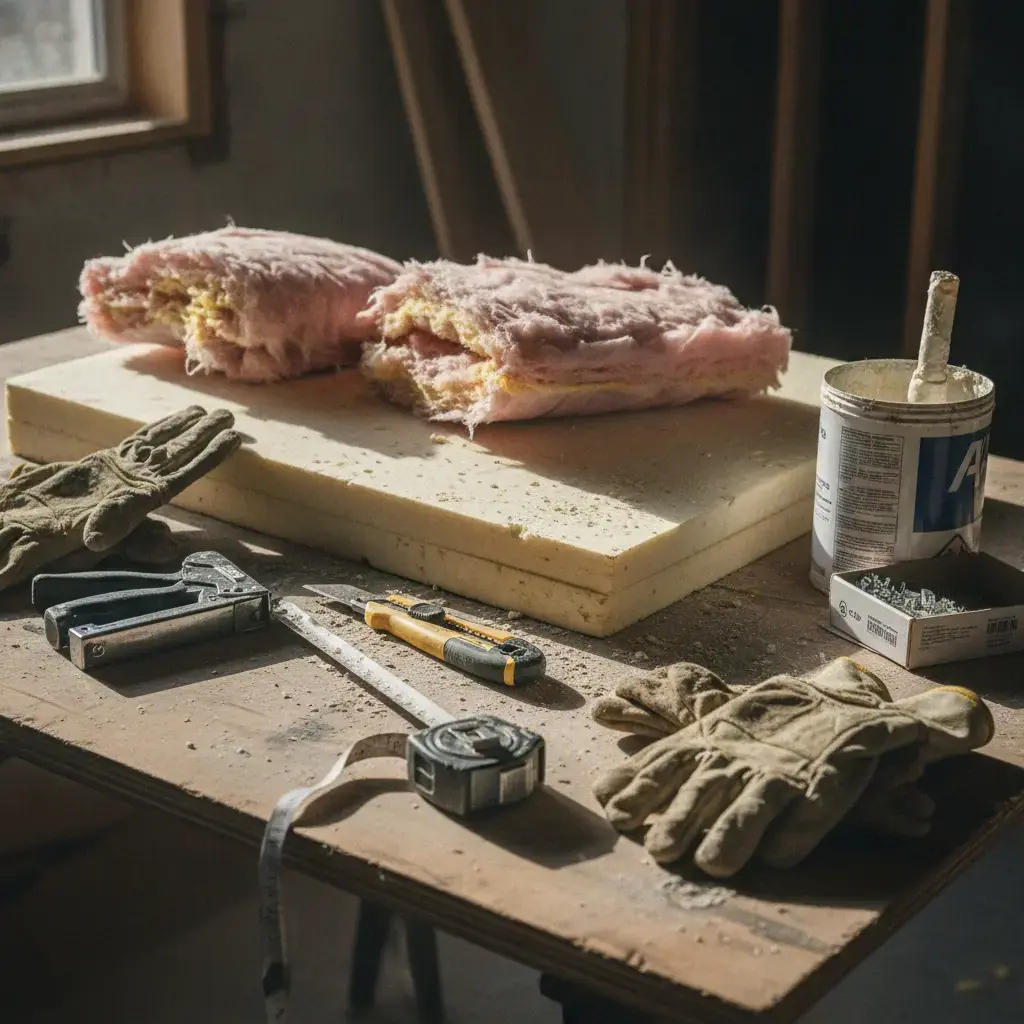
Batt insulation is one of the most widely used and cost-effective insulation solutions available for residential and light commercial properties. Composed of flexible fiber panels — most commonly fiberglass or mineral wool — batt insulation is pre-cut to fit between standard wall studs, floor joists, and attic rafters, creating a thermal barrier that keeps conditioned air inside and outdoor temperatures out.
In Rolling Hills Estates, CA, the unique combination of coastal marine air, canyon breezes, and the community’s signature hillside architecture makes proper insulation not just a comfort upgrade — it’s a necessity. Homes perched on the Palos Verdes Peninsula are exposed to salt-laden ocean winds, significant temperature swings between sunlit ridges and shaded canyon slopes, and the demands of older construction eras that predate modern energy codes.
Read moreShow less
At High Return Insulation, we specialize in batt insulation installation tailored specifically to the structural and climatic realities of Rolling Hills Estates. Our team understands the gated community’s building stock, HOA requirements, and the performance standards today’s homeowners expect. Call us today at (310) 496-8515 to schedule your assessment.
Understanding Batt Insulation in Rolling Hills Estates
Batt insulation — sometimes called blanket insulation — has been a staple of American residential construction since the mid-20th century. Manufactured in rolls or pre-cut batts, it is designed to fit snugly between framing members spaced at standard 16-inch or 24-inch on-center intervals. The most common materials include fiberglass, mineral wool (rock wool), and natural cotton fiber, each offering different R-values, fire resistance ratings, and moisture tolerance.
The R-value of batt insulation measures thermal resistance — the higher the R-value, the greater the material’s ability to resist heat transfer. For wall cavities in California Climate Zone 7, which covers Rolling Hills Estates and much of the South Bay coast, R-13 to R-21 batts are standard for 2×4 and 2×6 framing respectively. Attic assemblies in this zone typically call for R-38 or higher to meet Title 24 energy compliance standards.
Read moreShow less
Rolling Hills Estates was largely developed between the 1950s and 1980s, a period when fiberglass batt insulation was the dominant choice but installation standards were far less rigorous than today. Many of the custom ranch-style homes, equestrian estates, and hillside residences in the community were built with minimum-code insulation that has since compressed, settled, or been damaged by decades of coastal humidity exposure. As a result, a significant portion of the existing housing stock in Rolling Hills Estates is either under-insulated or operating with insulation that has lost meaningful R-value performance.
Modern batt insulation products have improved dramatically. High-density fiberglass batts now achieve R-15 in a 2×4 cavity — a meaningful upgrade from the R-11 products common in older homes. Mineral wool batts, popular for retrofit projects in Rolling Hills Estates’s premium custom homes, offer superior fire resistance (non-combustible at temperatures up to 2,150°F), better moisture resistance, and improved soundproofing — a valued feature in close-proximity estate communities.
Understanding the right product type, the correct R-value for each building zone, and the installation technique that eliminates thermal bridging is what separates a high-performing insulation system from one that merely meets minimum code. High Return Insulation brings that expertise directly to Rolling Hills Estates homeowners.
Signs You Need Batt Insulation in Rolling Hills Estates
Energy Performance Indicators
- Monthly SoCalGas or Edison bills that are consistently 20–35% higher than similar-sized homes in Torrance or Redondo Beach
- HVAC system running continuously during mild 65–75°F coastal days when minimal conditioning should be required
- Noticeable room-to-room temperature differences of 5°F or more within the same floor plan
Physical and Structural Symptoms
- Cold or warm exterior walls to the touch during temperature extremes, indicating absent or depleted cavity insulation
- Drafts near electrical outlets and switch plates on exterior walls — a classic sign of compressed or missing batt insulation
- Visible gaps, sagging, or fallen insulation batts when viewed through attic access hatches
- Water staining, mold growth, or musty odors in attic spaces, indicating moisture-compromised insulation
Age and History Indicators
- Home constructed before 1980 with no documented insulation upgrade history
- Prior roof leak or plumbing failure that may have saturated insulation batts
- Recent pest inspection revealing rodent nesting in attic insulation — a common finding in Rolling Hills Estates equestrian zone properties
Urgency Indicators
If you observe black or green mold growth on interior wall surfaces near exterior walls, or discover that insulation in your attic has been displaced by animal activity, these conditions require immediate assessment and remediation before replacement insulation is installed.
Free, no-obligation estimates
Talk to High Return Insulation
Tell us what you need and we’ll take it from there.
Our process
Our Batt Insulation Process in Rolling Hills Estates
- 01
Initial Consultation and Site Assessment (Day 1 – 60 to 90 Minutes)
We begin with an in-home consultation at your Rolling Hills Estates property. Our technician reviews your home’s age, construction type, existing insulation condition, and current energy complaints. We access attic spaces, inspect crawl spaces where applicable
- 02
Infrared Thermal Imaging Scan (Day 1 – 30 to 45 Minutes)
Using calibrated infrared cameras, we map thermal anomalies throughout your home’s envelope. In Rolling Hills Estates’s hillside homes, this step frequently reveals unexpected cold spots on north-facing canyon-side walls and under-insulated knee walls common i
- 03
Written Scope and Material Specification (Day 1–2)
We provide a detailed written proposal specifying R-value targets per zone, material type (fiberglass vs. mineral wool), and installation method. For homes in the VHFHSZ designation area, we recommend mineral wool batts in accessible cavities where feasible. P
- 04
Preparation and Old Insulation Removal (Day of Installation – 2 to 4 Hours)
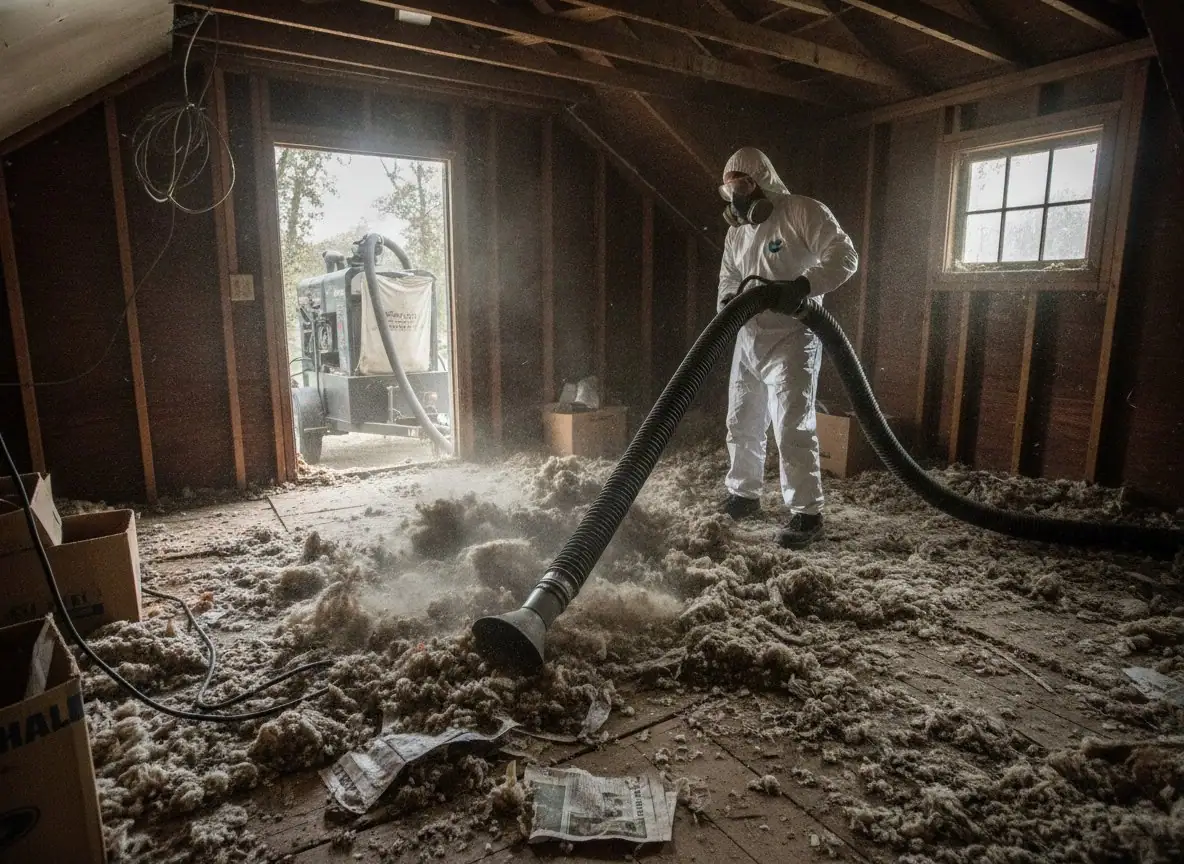
Where existing insulation is degraded, moisture-damaged, or pest-contaminated, we remove and dispose of old insulation in accordance with California disposal regulations before installing new batts. Work areas are protected with drop cloths, and HEPA filtratio
- 05
Batt Insulation Installation (Half Day to Full Day Depending on Scope)
Batts are cut precisely to fit each cavity, ensuring full contact with framing members without compression or voids. Electrical boxes, pipes, and obstructions are properly detailed. Vapor retarder facing is oriented correctly per California Climate Zone 7 requ
- 06
Air Sealing Integration (Included in Process)
Batt insulation performs best when paired with air sealing. We seal top plates, penetrations, and recessed light fixtures before batt installation — a step many contractors skip but one that dramatically improves real-world performance in wind-exposed Rolling
- 07
Final Inspection and Documentation (30 Minutes)
We walk the completed work with you, provide installation documentation for permit files or HOA records, and confirm satisfaction before departure.
Batt Insulation Methods and Approaches for Rolling Hills Estates Homes
Standard Fiberglass Batt Installation
The most common and cost-effective approach, fiberglass batts (R-13 to R-21 for walls, R-30 to R-38 for attic floors) are ideal for straightforward framing layouts with consistent stud spacing. Best suited for homes built after 1970 with standard 16-inch on-center framing, this method is the workhorse solution for Rolling Hills Estates’s tract-style ranch homes.
High-Density Fiberglass Batt Installation
High-density batts achieve R-15 in a standard 2×4 cavity — a significant improvement over standard R-13 products. Recommended for exterior walls on north and east elevations of hillside homes where Santa Ana wind exposure and marine layer cold infiltration are most pronounced.
Mineral Wool (Rock Wool) Batt Installation
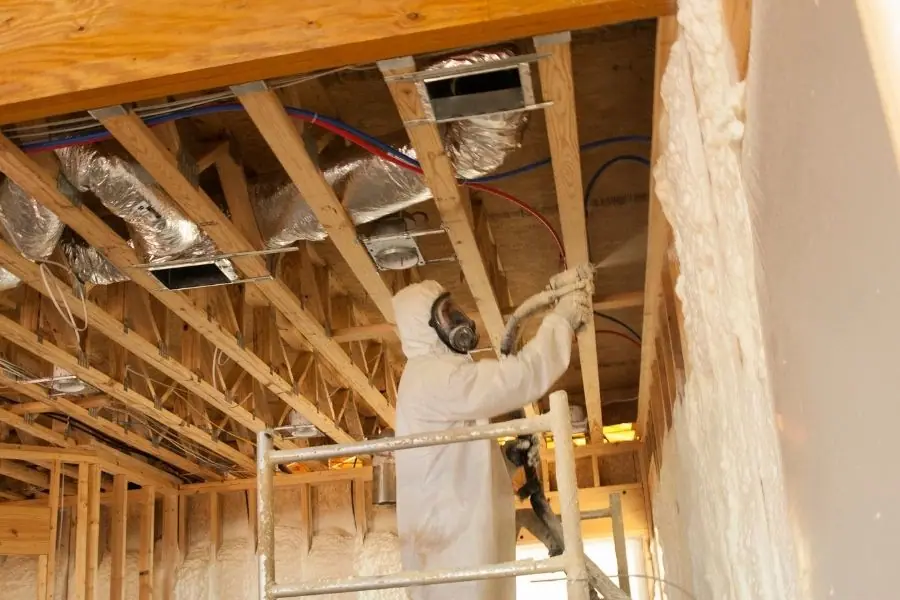
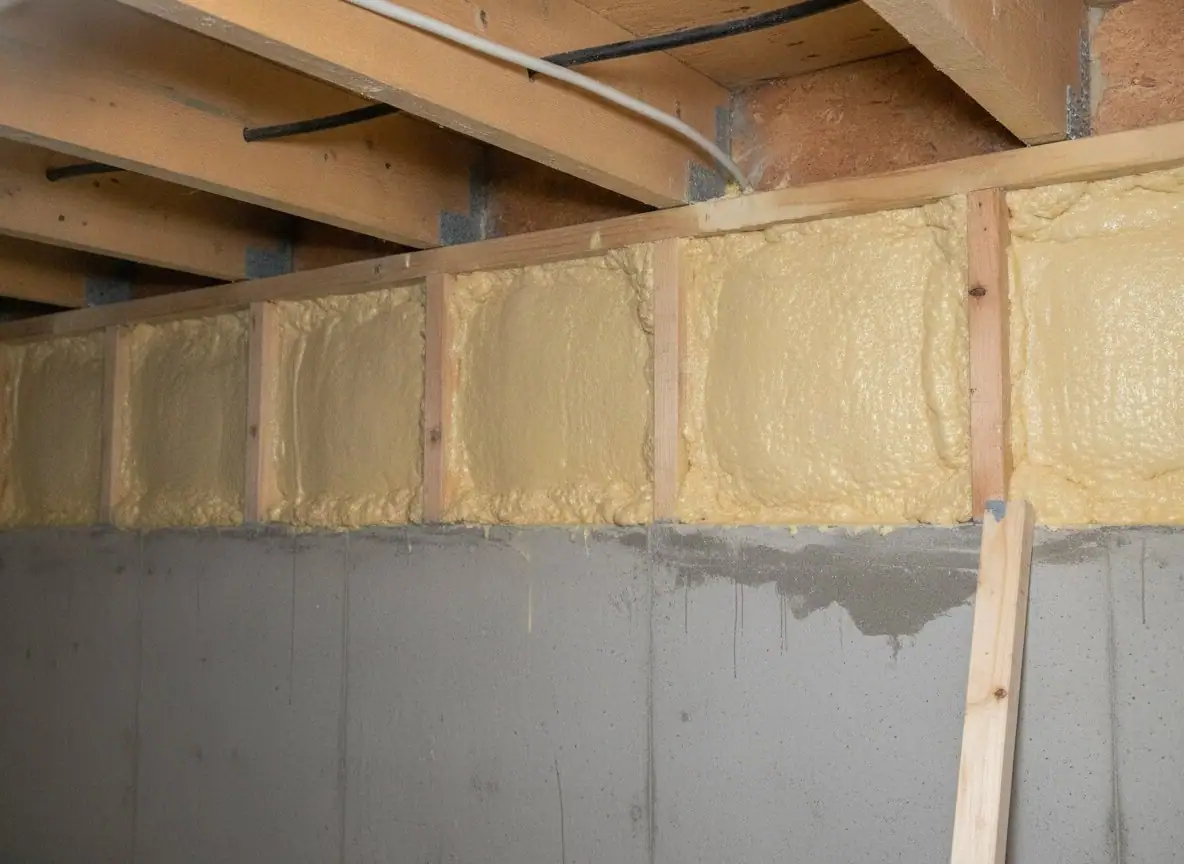
Preferred for Rolling Hills Estates properties in designated fire hazard zones, mineral wool batts are non-combustible, moisture-resistant, and provide superior sound attenuation. Ideal for media rooms, home offices, and exterior walls adjacent to equestrian trails where ambient noise is a factor. Spray foam insulation may be integrated at rim joists and top plates alongside mineral wool batts for a hybrid-performance system.
Attic Batt Installation with Rafter Venting
For cathedral ceilings and unvented attic conversions common in Rolling Hills Estates’s custom architectural homes, batts are installed between rafters while maintaining required ventilation channels. This approach preserves the architectural ceiling detail while meeting Title 24 performance requirements. Attic insulation upgrades using this method are among our most requested services in the Palos Verdes Peninsula communities.
Crawl Space Batt Installation
Many Rolling Hills Estates hillside homes feature raised foundations with accessible crawl spaces. Batt insulation between floor joists, combined with crawl space insulation and crawl space encapsulation of the ground plane, creates a complete thermal and moisture barrier beneath living areas.
Batt Insulation Cost in Rolling Hills Estates, CA
Understanding the investment involved in batt insulation helps Rolling Hills Estates homeowners plan effectively. Costs vary based on material type, area square footage, accessibility, and whether old insulation removal is required.
Typical Price Ranges
- Wall cavity batt insulation (fiberglass, new construction or open wall): $0.50–$1.25 per square foot of wall area
- Wall cavity batt insulation (mineral wool, fire-rated): $1.00–$2.00 per square foot of wall area
- Attic floor batt insulation (fiberglass, R-38): $1.50–$2.50 per square foot
- Crawl space floor joist batt insulation: $1.75–$3.00 per square foot, depending on access height
- Old insulation removal (prior to replacement): $1.00–$2.50 per square foot — see insulation removal services
Read moreShow less
Typical Project Totals for Rolling Hills Estates Homes
- Single-story ranch home (1,800–2,400 sq ft) — attic and wall upgrade: $3,500–$7,500
- Two-story hillside custom home (3,000–4,500 sq ft) — full envelope: $7,000–$15,000
- Crawl space floor insulation only (1,200 sq ft crawl): $2,100–$3,600
Rolling Hills Estates-Specific Cost Factors
Hillside properties with steep roof pitches, limited attic clearance, and multi-level floor plans add labor complexity and typically increase project costs by 15–25% compared to flat-site homes of equivalent square footage. HOA-required material specifications (such as non-combustible products in fire zones) may also shift material costs upward. California utility rebates through SoCalGas and SCE may offset a portion of qualifying insulation upgrade costs.
Contact High Return Insulation at (310) 496-8515 for a no-cost, itemized estimate specific to your Rolling Hills Estates property.
Rolling Hills Estates Neighborhoods We Serve
Palos Verdes Drive North Corridor
Properties along and near Palos Verdes Drive North represent a mix of 1960s and 1970s construction, including original ranch-style homes with minimal wall insulation and aging fiberglass attic batts. Many of these homes have had additions or remodels that created mixed insulation assemblies requiring careful evaluation before replacement.
Crenshaw Boulevard Residential Zone
The eastern portions of Rolling Hills Estates near the Crenshaw Boulevard boundary include mid-century homes with original knob-and-tube wiring in some cases — a critical safety consideration before installing any insulation in wall cavities. We assess electrical systems as part of our process in these older neighborhoods.
Equestrian Zone (Williamsburg Lane / Bowie Road Area)
Rolling Hills Estates’s famous equestrian community includes larger parcels with custom-built homes from the 1970s through 1990s. These properties often feature horse barns, guest houses, and multi-structure layouts — each requiring separate insulation assessment. Mineral wool batts are frequently specified in structures near equestrian facilities due to fire resistance requirements.
Country Club Drive and Silver Spur Road Area
Premium custom homes in this area, many built in the 1980s and 1990s, often have cathedral ceilings and complex roof lines that require specialized rafter-bay batt installation techniques to achieve compliant R-values without sacrificing ventilation.
Batt Insulation Maintenance Tips for Rolling Hills Estates Homeowners
- Annual attic inspection: Check attic insulation each fall before winter rains for signs of moisture, settling, or pest intrusion — particularly important given Rolling Hills Estates’s marine fog and wildlife activity.
- After roof repairs or replacements: Always verify that roofing contractors have not displaced or compressed attic insulation batts during their work.
- Monitor for pest activity: Rats and squirrels commonly enter attic spaces through roofline gaps in hillside homes. Insulation damaged by nesting must be removed and replaced — damaged material loses R-value and presents health risks.
- Check crawl space annually: Inspect crawl space floor insulation for fallen batts, moisture damage, or vapor barrier breaches after significant rainfall events.
- Seal new penetrations promptly: Any new plumbing, electrical, or HVAC penetrations through insulated walls or ceilings should be air-sealed and re-insulated immediately.
- Avoid storage compression: Do not store items directly on attic floor insulation, as compression permanently reduces R-value.
- Schedule a professional re-assessment every 10–15 years to confirm insulation performance, especially in homes over 30 years old.
Why Choose High Return Insulation for Batt Insulation in Rolling Hills Estates
High Return Insulation is a South Bay-focused insulation contractor with deep familiarity with the Palos Verdes Peninsula’s unique architectural and climatic challenges. We don’t apply generic solutions — every Rolling Hills Estates project is assessed individually, accounting for the home’s construction era, HOA requirements, fire hazard zone designation, and specific exposure to marine air, canyon winds, and Santa Ana events.
Our team installs insulation across the full spectrum of building types found in Rolling Hills Estates: original mid-century ranch homes, 1980s custom estates, equestrian zone outbuildings, and contemporary renovations. We understand Title 24 compliance documentation requirements and provide homeowners with the paperwork needed for permit sign-off and HOA submittals.
Read moreShow less
We also offer the full range of complementary insulation services — from blow-in insulation and spray foam to complete insulation replacement — so that whatever your home requires, we can address it in a single coordinated project.
Call (310) 496-8515 to speak directly with our Rolling Hills Estates insulation specialists.
FAQ
Frequently Asked Questions: Batt Insulation in Rolling Hills Estates, CA
How much does batt insulation cost in Rolling Hills Estates?
Batt insulation costs in Rolling Hills Estates typically range from $0.50 to $2.00 per square foot for materials and labor, depending on material type (fiberglass vs. mineral wool), location within the building (wall, attic, crawl space), and project complexity. Hillside properties with steep roofs or limited access may carry a 15–25% labor premium. Full-home projects for a 2,500 sq ft home commonly range from $4,500 to $10,000 installed.
How long does batt insulation installation take in a Rolling Hills Estates home?
A standard attic batt insulation project for a 1,800–2,400 sq ft Rolling Hills Estates ranch home typically takes one full day. Larger custom homes or projects involving old insulation removal and full wall-cavity installation may require two to three days. We provide a timeline estimate in your written proposal.
Does my Rolling Hills Estates HOA need to approve insulation work?
Batt insulation work that does not alter the home’s exterior appearance generally does not require HOA architectural approval. However, if insulation upgrades are part of a larger permitted project (addition, re-roof, or remodel), your HOA may require submittal of material specifications. We provide documentation to support this process.
Is fiberglass or mineral wool batt insulation better for Rolling Hills Estates homes?
Both are effective. Fiberglass batts offer the best value for straightforward attic and wall applications. Mineral wool is the preferred choice for Rolling Hills Estates properties in the Very High Fire Hazard Severity Zone, homes near equestrian facilities, and applications where superior moisture resistance or soundproofing is desired. We’ll recommend the appropriate product for your specific property and budget.
Can batt insulation address my Rolling Hills Estates home’s high energy bills?
Yes, in most cases. Homes in Rolling Hills Estates built before 1980 with original insulation are frequently losing 25–40% of their heating and cooling energy through under-insulated walls and attic assemblies. Upgrading to modern R-values can meaningfully reduce energy consumption, though the exact impact depends on your home’s overall air sealing condition, window quality, and HVAC efficiency as well.
Do I need to remove old insulation before installing new batts?
Not always. If existing insulation is dry, undamaged, and free of pest contamination, new batts can sometimes be installed over it to increase R-value. However, moisture-damaged, mold-affected, or pest-contaminated insulation must be removed first. Our assessment will determine the appropriate approach for your Rolling Hills Estates home. See our insulation removal page for more information.
Does batt insulation help with noise reduction in Rolling Hills Estates?
Yes. Mineral wool batts in particular are effective at reducing sound transmission between interior spaces and from exterior sources. For Rolling Hills Estates homeowners whose properties are near Palos Verdes Drive traffic corridors or equestrian trail activity, mineral wool batt installation in exterior wall cavities provides measurable acoustic improvement alongside thermal performance.
Are there utility rebates available for batt insulation in Rolling Hills Estates?
Rolling Hills Estates residents served by SoCalGas and Southern California Edison may qualify for energy efficiency rebates on qualifying insulation upgrades. Rebate availability and amounts change periodically. We recommend contacting your utility provider directly or visiting their online rebate portals to confirm current incentives at the time of your project.
Get a Free Batt Insulation Estimate in Rolling Hills Estates Today
Your Rolling Hills Estates home deserves insulation that performs against the real challenges of Palos Verdes Peninsula living — coastal marine air, Santa Ana winds, canyon temperature swings, and strict fire zone requirements. High Return Insulation delivers batt insulation solutions engineered for exactly these conditions.
Whether you’re upgrading a 1960s ranch home on Palos Verdes Drive North, retrofitting a custom estate in the equestrian zone, or bringing a remodel project into Title 24 compliance, our team is ready to help.
Call us today at (310) 496-8515 to schedule your no-cost, no-obligation on-site assessment. We serve Rolling Hills Estates and all surrounding South Bay communities including Torrance, Rancho Palos Verdes, Redondo Beach, and beyond. Don’t let another season pass with insulation that isn’t working for your home — contact High Return Insulation now.
Get in touch
Find insulation help near you
Request a free estimate online or give us a call — our team will follow up quickly.
- Call us(310) 496-8515
- Visit28441 Highridge Rd, Rolling Hills Estates, CA 90274
- HoursMon-Sun 07:00-19:00