Blown-In Insulation Cost in Rolling Hills Estates, CA
Transparent Blown-In Insulation Cost Pricing for Rolling HIlls Estates, CA Homeowners — Free Estimates
Find out the true blown-in insulation cost in Rolling Hills Estates, CA. High Return Insulation offers free estimates, expert installation & rebate help. Call (310) 496-8515.
Blown-in insulation is a highly effective method of insulating homes by pneumatically distributing loose-fill material — typically fiberglass, cellulose, or mineral wool — into attic spaces, wall cavities, and crawl spaces. The result is a seamless thermal and air barrier that conforms to irregular surfaces, filling gaps that batt insulation simply cannot reach.
In Rolling Hills Estates, CA, the combination of coastal marine-layer humidity, warm Santa Ana wind events, and the area’s distinctive hillside residential architecture creates unique insulation demands unlike those found in flat inland communities. Homes perched along the Palos Verdes Peninsula experience dramatic temperature swings between morning marine fog and afternoon heat, making proper insulation coverage critical for comfort and energy savings.
Read moreShow less
At High Return Insulation, our team specializes in delivering blown-in insulation solutions tailored to the specific construction styles and climate challenges of Rolling Hills Estates. Call us today at (310) 496-8515 for a personalized estimate.
Understanding Blown-In Insulation in Rolling Hills Estates
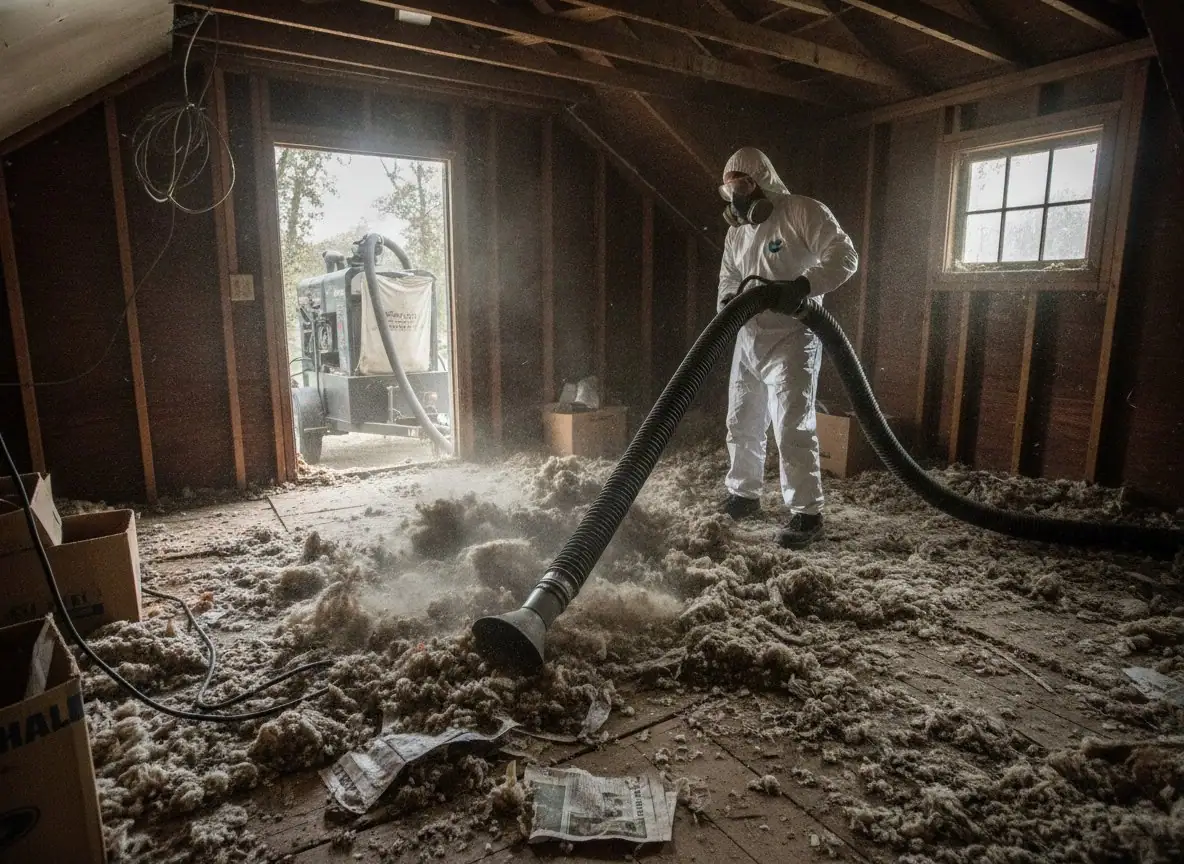
Blown-in insulation — also called loose-fill insulation — has been a trusted building science solution since the mid-20th century. It became widely adopted in California following the 1970s energy crisis, when homeowners and builders recognized the urgent need to reduce heating and cooling costs. The method involves using a specialized blowing machine to force insulation material through flexible hoses and deposit it evenly across attic floors, inside wall cavities, or beneath floors over crawl spaces.
The three most common materials used in blown-in insulation are:
- Fiberglass loose-fill: Made from recycled glass spun into fine fibers, fiberglass offers excellent thermal resistance and is non-combustible. It typically achieves an R-value of approximately R-2.2 to R-2.7 per inch.
- Cellulose: Manufactured from recycled newsprint and treated with borate-based fire retardants, cellulose provides an R-value of roughly R-3.2 to R-3.8 per inch. Its dense-pack application is particularly effective at reducing air infiltration in older California homes.
- Mineral wool (rock wool): Derived from volcanic rock and slag, mineral wool provides superior fire resistance and moisture resilience, making it an excellent choice for the coastal humidity conditions common in Rolling Hills Estates.
Read moreShow less
Rolling Hills Estates is predominantly a residential community of single-family detached homes, many built between the 1950s and 1980s during the Palos Verdes Peninsula’s major development era. These ranch-style and split-level homes — designed to take advantage of ocean views and hillside terrain — often feature vaulted ceilings, complex rooflines, and crawl spaces that make traditional batt insulation impractical. Blown-in insulation is ideally suited to these architectural characteristics, filling every contour and corner without the need for extensive demolition or remodeling.
California’s Title 24 Building Energy Efficiency Standards require minimum insulation R-values that have increased significantly in recent code cycles. Many older Rolling Hills Estates homes fall short of current R-38 attic insulation requirements, making blown-in insulation upgrades not just practical but often necessary for compliance during renovation permits. Learn more about our attic insulation services
Signs You Need Blown-In Insulation in Rolling Hills Estates
Energy and Comfort Indicators
- Monthly electricity bills above $200–$300 during summer months with standard air conditioning use in a typical 2,000 sq. ft. Rolling Hills Estates home
- Rooms that feel noticeably warmer or cooler than the rest of the house, especially top-floor bedrooms under vaulted ceilings
- HVAC system running continuously without reaching the set thermostat temperature
- Cold floors in winter months, particularly in homes with crawl space foundations along Palos Verdes Drive North
Physical and Structural Signs
- Visible gaps, compressed batts, or missing insulation sections visible from an attic access hatch
- Existing attic insulation depth below 10–12 inches (indicating less than R-30 coverage, below California Title 24 requirements)
- Moisture staining or mold presence on insulation materials — a common issue in the marine-layer-exposed attics of Rolling Hills Estates
- Insulation that crumbles or disintegrates when touched, indicating age-related material breakdown
Urgency Indicators
- Drafts felt along interior walls or ceilings during Santa Ana wind events
- ICE (air conditioning) system replacement recommended by an HVAC contractor due to overwork — often a symptom of inadequate insulation
- Planning a home sale: inadequate insulation can negatively affect home inspection reports and energy disclosure requirements in California real estate transactions
Free, no-obligation estimates
Talk to High Return Insulation
Tell us what you need and we’ll take it from there.
Our process
Our Blown-In Insulation Installation Process in Rolling Hills Estates
High Return Insulation follows a structured, proven installation process designed specifically for the architectural and climate conditions of Rolling Hills Estates and the broader Palos Verdes Peninsula area.
- 01
Free In-Home Assessment (1–2 Hours)
Our certified insulation specialist visits your Rolling Hills Estates home to conduct a thorough evaluation. We measure existing insulation depth and R-values, inspect for moisture damage common in coastal homes, assess attic ventilation, and document any area
- 02
Detailed Written Estimate (24–48 Hours)
Following the assessment, we prepare an itemized written estimate specifying material type, projected R-value, square footage coverage, and total cost. We clearly identify which California Title 24 requirements apply to your project and how our proposal meets
- 03
Pre-Installation Air Sealing (2–4 Hours)
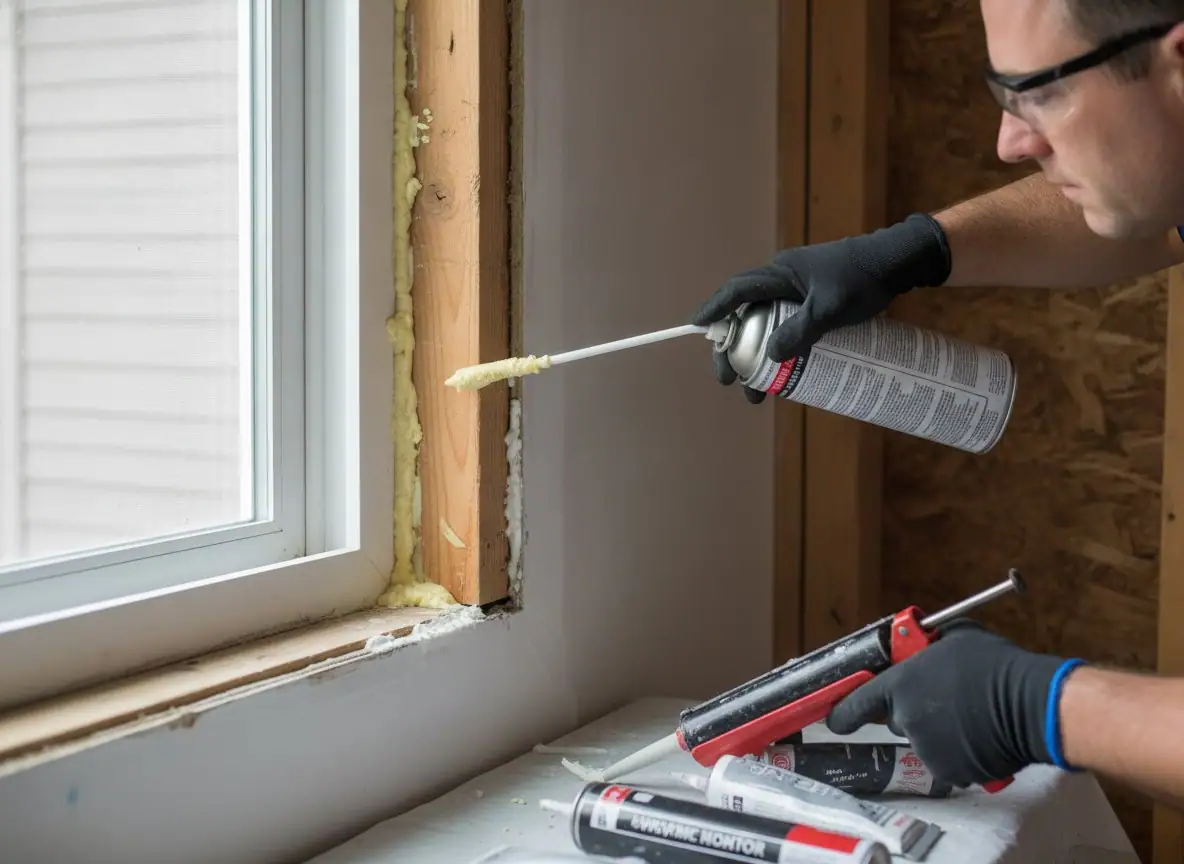
Before any blown-in material is installed, our crew seals all attic penetrations — recessed light fixtures, plumbing chases, HVAC ductwork gaps — with appropriate caulk, foam, or fire-rated materials. This step is especially important in Rolling Hills Estates
- 04
Protective Preparation (30–60 Minutes)
We lay protective tarps over all attic access pathways, install temporary barriers to protect HVAC equipment, and set up our professional blowing machine in a location that minimizes disruption to your driveway or hillside landscape — a consideration unique to
- 05
Blown-In Installation (2–6 Hours Depending on Scope)
Our technicians guide the blowing hose across the attic floor or through drilled wall ports, distributing material evenly to achieve the specified depth and R-value. Depth gauge rulers are placed throughout the attic before blowing begins to verify consistent
- 06
Final Inspection and Verification (30–60 Minutes)
After installation, our supervisor conducts a post-installation audit, measuring installed depth at multiple points and providing a signed Certificate of Installation confirming R-value achieved — documentation useful for California utility rebate applications
- 07
Site Cleanup and Customer Walkthrough (30 Minutes)
We remove all equipment, clean up all installation debris, and walk you through what was completed, answering any questions about ongoing maintenance for your newly insulated Rolling Hills Estates home.
Blown-In Insulation Methods and Approaches
Open-Blow Attic Installation
The most common method for Rolling Hills Estates attic upgrades. Loose-fill material is blown freely across an open attic floor to a depth calibrated for the target R-value (typically R-38 to R-49 for South Bay California homes per Title 24). This method works efficiently in the gable-and-hip roof attics common throughout Rolling Hills Estates’ 1960s–1980s ranch homes.
Dense-Pack Wall Insulation
For homes with uninsulated wall cavities — prevalent in Rolling Hills Estates construction from the 1950s and 1960s — cellulose or fiberglass is blown under higher pressure to achieve a dense-packed state (approximately 3.5 lbs per cubic foot for cellulose). This density prevents settling and provides superior air infiltration resistance against the Peninsula’s coastal breezes and Santa Ana winds.
Drill-and-Fill for Enclosed Cavities
Used in finished walls without attic access to the top plate. Small holes are drilled through the exterior siding or interior drywall, material is injected, and holes are patched. Particularly applicable to the stucco-exterior homes that dominate Rolling Hills Estates streetscapes. View all our insulation installation services
Underfloor Blown-In for Crawl Spaces
For Rolling Hills Estates homes on raised foundations, blown-in insulation can be installed between floor joists from below within the crawl space, achieving R-19 to R-25 underfloor coverage. This is frequently paired with our crawl space encapsulation service for maximum moisture control in the Peninsula’s humid conditions. Learn about crawl space encapsulation
Hybrid Blown-In Over Existing Insulation
When existing attic insulation is structurally sound but simply insufficient in depth, we can blow additional material directly over the old batts — a cost-effective approach that avoids full removal while bringing the home up to current R-value standards.
Blown-In Insulation Cost in Rolling Hills Estates, CA
Understanding blown-in insulation pricing helps Rolling Hills Estates homeowners budget accurately and evaluate contractor quotes with confidence.
Typical Price Ranges
- Attic blown-in insulation (open blow): $1.50–$2.50 per square foot for standard R-38 coverage in a typical Rolling Hills Estates attic. A 1,500 sq. ft. attic typically costs $2,250–$3,750 installed.
- Dense-pack wall insulation: $2.00–$4.00 per square foot of wall area, depending on access complexity and material. A full exterior wall retrofit on a 2,000 sq. ft. Rolling Hills Estates home averages $3,000–$6,500.
- Underfloor crawl space blown-in: $1.75–$3.00 per square foot, with hillside access challenges in Rolling Hills Estates occasionally adding a 10–15% site-difficulty premium.
- Combined attic air sealing and blown-in: $2,500–$5,500 for a typical single-story Rolling Hills Estates ranch home, all-inclusive.
Read moreShow less
Key Factors Affecting Your Cost
- Current insulation depth and whether removal is required
- Attic accessibility — complex rooflines or low clearance increase labor time
- Material selected (cellulose vs. fiberglass vs. mineral wool)
- Square footage of coverage area
- Hillside site access considerations unique to Rolling Hills Estates lots
Available Incentives
Southern California Edison and SoCalGas offer rebates of $0.10–$0.20 per square foot for qualifying insulation upgrades in Rolling Hills Estates. Federal tax credits under the Inflation Reduction Act (IRA) may provide up to 30% of installation costs (up to $1,200) for eligible improvements. High Return Insulation can help you identify and document all applicable incentives. Learn more about our blow-in insulation services
Rolling Hills Estates Neighborhoods We Serve
Palos Verdes Drive North Corridor
This area features many split-level and ranch-style homes built in the 1960s and early 1970s, most with raised crawl space foundations and original fiberglass batts that have long exceeded their service life. Underfloor blown-in and attic top-up projects are the most common service requests here.
Crenshaw Boulevard Residential Neighborhoods
The residential streets branching off Crenshaw Boulevard include many larger two-story homes from the 1970s and 1980s with complex hip-and-gable rooflines. These homes frequently have inconsistent attic insulation coverage due to their architectural complexity, making blown-in installation the most practical solution.
Eastfield and Georgeff Road Areas
Custom hillside homes in this quieter eastern section of Rolling Hills Estates often feature unique architectural details, including cathedral ceilings and multi-level construction, which require specialized dense-pack and hybrid blown-in approaches.
We also serve all surrounding communities including Palos Verdes Estates, Rancho Palos Verdes, Rolling Hills, Torrance, and Lomita. View all service areas
Blown-In Insulation Maintenance Tips for Rolling Hills Estates Homeowners
- Annual attic inspection: Check insulation depth every fall before the rainy season. Use a ruler to verify depth has not settled below the installed level — cellulose can settle 10–20% in the first year.
- Monitor for marine-layer moisture damage: After prolonged fog seasons (typically June–August in Rolling Hills Estates), inspect attic access points for signs of moisture or mold on insulation surfaces.
- Keep attic vents clear: Rolling Hills Estates’ coastal winds can deposit debris in soffit and ridge vents. Blocked ventilation traps humidity and degrades insulation performance.
- Seal new penetrations promptly: Any new recessed lights, plumbing, or HVAC additions should be air-sealed at the attic level immediately to prevent thermal bypasses.
- Inspect crawl space after heavy rain events: The Peninsula’s clay-rich soils can cause groundwater intrusion in crawl spaces, which saturates underfloor insulation and requires prompt professional remediation.
- Check for pest intrusion: Roof rats and squirrels common on the Palos Verdes Peninsula can burrow into attic insulation, creating voids that reduce coverage.
- Schedule professional re-inspection every 7–10 years to confirm insulation meets current California Title 24 standards as codes update.
Why Choose High Return Insulation in Rolling Hills Estates
High Return Insulation is a locally focused insulation contractor with deep expertise in the specific climate, architectural, and regulatory conditions of Rolling Hills Estates and the entire Palos Verdes Peninsula. Our team understands the unique challenges posed by coastal marine-layer humidity, hillside construction access, and the aging housing stock that characterizes this community.
We specialize in the full spectrum of insulation services relevant to Rolling Hills Estates homeowners — from blown-in attic and wall insulation to crawl space encapsulation and insulation removal and replacement. Every project is handled with attention to California Title 24 compliance and Southern California Edison rebate documentation. Learn about our insulation removal and replacement services
Read moreShow less
Our commitment to quality means we use professional-grade equipment and premium insulation materials matched to the coastal conditions of Rolling Hills Estates. We provide clear, itemized written estimates before any work begins and a detailed Certificate of Installation upon project completion — documentation that supports utility rebate claims and California real estate energy disclosure requirements.
Call us today at (310) 496-8515 to schedule your free in-home assessment.
FAQ
Frequently Asked Questions About Blown-In Insulation Cost in Rolling Hills Estates
How much does blown-in insulation cost for a typical Rolling Hills Estates home?
For a typical 1,500–2,000 sq. ft. single-story Rolling Hills Estates ranch home, attic blown-in insulation to R-38 generally costs between $2,500 and $4,500 fully installed, including air sealing. Wall dense-pack projects are priced separately and depend on wall area and access complexity. Contact us at (310) 496-8515 for a specific quote tailored to your home.
Is blown-in insulation better than batt insulation for Rolling Hills Estates homes?
For most Rolling Hills Estates homes — particularly those with complex rooflines, existing wall cavities, or crawl spaces — blown-in insulation outperforms batt insulation. It fills irregular cavities completely, eliminates the gaps that batt insulation commonly leaves around joists and rafters, and performs better under the coastal humidity conditions of the Palos Verdes Peninsula.
How long does blown-in insulation installation take in Rolling Hills Estates?
A standard attic blown-in insulation project in a Rolling Hills Estates home typically takes one day — often 4–8 hours including air sealing preparation and cleanup. Wall dense-pack projects for a full exterior can take 1–2 days depending on home size and access conditions.
Will blown-in insulation help with the noise from coastal winds in Rolling Hills Estates?
Yes. Dense-pack cellulose and mineral wool blown-in insulation provide meaningful acoustic attenuation, reducing the transmission of exterior wind noise through walls and ceilings. This is particularly beneficial in Rolling Hills Estates homes exposed to seasonal Santa Ana winds.
Does Rolling Hills Estates have specific insulation requirements?
California’s Title 24 Building Energy Efficiency Standards apply throughout Rolling Hills Estates. Current standards require a minimum of R-38 in attics for Climate Zone 6 (which covers the Palos Verdes Peninsula area). Many older Rolling Hills Estates homes fall well short of this standard. Any renovation or addition permit typically triggers insulation upgrade requirements to meet current code.
Can blown-in insulation be installed in the walls of my older Rolling Hills Estates stucco home?
Yes. Our drill-and-fill dense-pack process allows us to install blown-in insulation in existing enclosed wall cavities by drilling small access holes through the exterior stucco or interior drywall. We then patch and finish all access holes to match the original surface. This is a minimally invasive and highly effective method for the stucco-clad ranch homes prevalent in Rolling Hills Estates.
Are there rebates available for blown-in insulation in Rolling Hills Estates?
Yes. Southern California Edison customers in Rolling Hills Estates may qualify for rebates of $0.10–$0.20 per square foot for qualifying insulation upgrades through the utility’s Energy Efficiency Program. Additionally, the federal Inflation Reduction Act provides tax credits of up to 30% of project cost (capped at $1,200) for eligible insulation improvements. High Return Insulation provides all necessary documentation to support your rebate applications.
How do I know if my Rolling Hills Estates home needs insulation removal before new blown-in insulation is installed?
During our free in-home assessment, we evaluate the condition of your existing insulation. Removal is typically recommended when insulation shows moisture damage, mold contamination, pest infestation, or has deteriorated below functional levels. In many cases — particularly for attic top-up projects — new blown-in material can be installed directly over sound existing insulation, saving removal cost. Read more about our insulation removal services
Get Your Free Blown-In Insulation Estimate in Rolling Hills Estates Today
Don’t let inadequate insulation drive up your energy bills or leave your Rolling Hills Estates home uncomfortable through coastal fog seasons and Santa Ana wind events. High Return Insulation is ready to deliver a professional, thorough, and honestly priced blown-in insulation solution tailored to your home’s specific needs.
We serve Rolling Hills Estates and all surrounding communities including Palos Verdes Estates, Rancho Palos Verdes, Torrance, Lomita, Redondo Beach, and Manhattan Beach.
Call us now at (310) 496-8515 to schedule your free in-home assessment and written estimate. Our team is standing by to help you improve your home’s comfort, lower your energy costs, and meet California Title 24 insulation requirements — with the local expertise that only comes from serving the Palos Verdes Peninsula community.
Get in touch
Find insulation help near you
Request a free estimate online or give us a call — our team will follow up quickly.
- Call us(310) 496-8515
- Visit28441 Highridge Rd, Rolling Hills Estates, CA 90274
- HoursMon-Sun 07:00-19:00