Insulation Installation Cost in Rolling Hills Estates, CA
Transparent Insulation Installation Cost Pricing for Rolling HIlls Estates, CA Homeowners — Free Estimates
Discover insulation installation costs in Rolling Hills Estates, CA. High Return Insulation offers transparent pricing for attic, spray foam & crawl space services. Call (310) 496-8515.
Understanding insulation installation cost in Rolling Hills Estates is the first step toward making a smart, long-term investment in your home’s comfort and energy efficiency. Insulation installation refers to the process of adding or replacing thermal and acoustic barrier materials throughout a structure — including attics, walls, crawl spaces, and floors — to regulate indoor temperature and reduce energy loss.
Rolling Hills Estates presents a unique set of challenges for homeowners: coastal marine air, canyon-driven temperature swings, and a housing stock that spans multiple decades of construction standards. Many properties on the Palos Verdes Peninsula were built between the 1950s and 1980s, when insulation codes were far less stringent than today’s California Title 24 requirements.
Read moreShow less
At High Return Insulation, we specialize in accurate, transparent pricing for every type of insulation service this community needs — from attic insulation and spray foam to crawl space encapsulation and full insulation replacement. Call us today at (310) 496-8515 to schedule a free assessment.
Understanding Insulation Installation Cost in Rolling Hills Estates
Insulation installation cost encompasses far more than the price of the material itself. It includes labor, removal of old or damaged insulation, air sealing, vapor barrier installation, and post-installation inspection. Costs vary widely depending on the type of insulation selected, the area being treated, the accessibility of the space, and the overall condition of the existing building envelope.
Historically, California adopted its first statewide building energy code — Title 24 — in 1978 in response to the 1973 oil embargo. Many homes in Rolling Hills Estates that were built before that year were constructed with minimal or no insulation in critical areas like the attic floor or crawl space. Homes built between 1978 and the mid-1990s may have insulation, but it often falls below modern R-value benchmarks. By contrast, homes constructed after 2006 benefit from stricter energy efficiency mandates, though even these may require upgrades over time as materials compress, settle, or absorb moisture.
Read moreShow less
Rolling Hills Estates is primarily a residential community featuring single-family detached homes, many of which sit on hillside lots with raised foundations and vented crawl spaces. This architectural style is both a blessing and a challenge: raised foundations allow access for insulation work, but the vented crawl space design common in older Palos Verdes Peninsula homes can allow marine moisture and cold air to migrate upward into living spaces.
The community’s equestrian zoning also means some properties include barns, tack rooms, or guesthouses that may require their own insulation assessments. Understanding how all of these building types interact with the local climate is essential to generating an accurate, fair cost estimate — and it’s exactly the kind of nuanced knowledge that High Return Insulation brings to every project in Rolling Hills Estates.
Common insulation types installed locally include blown-in fiberglass, blown-in cellulose, open-cell and closed-cell spray foam, batts, and rigid foam board — each with distinct cost profiles and performance characteristics suited to specific applications in this area.
Why Insulation Installation Is Needed in Rolling Hills Estates
Marine Layer and Coastal Moisture
The June Gloom phenomenon that blankets the Palos Verdes Peninsula from late May through July brings persistent marine layer fog that can drop relative humidity levels to 90% or higher in the early morning hours. This moisture infiltrates vented crawl spaces, attics with inadequate vapor barriers, and wall cavities through gaps in the building envelope. Over time, high moisture content degrades fiberglass batt insulation by as much as 40% of its effective R-value, according to the U.S. Department of Energy — meaning a properly rated R-30 attic may be performing at R-18 or below in moisture-compromised Rolling Hills Estates homes.
Canyon Wind Events and Thermal Bridging
The Palos Verdes Peninsula experiences localized wind acceleration through Chandler’s Palos Verdes Canyon and surrounding canyons, particularly during Santa Ana wind events. The October 2007 and November 2008 Santa Ana events brought sustained winds exceeding 60 mph to the peninsula, displacing attic insulation and compromising air sealing in hundreds of older homes. Wind-driven air infiltration dramatically increases heating and cooling loads, pushing energy bills significantly higher in neighborhoods like Rolling Hills Estates Estates, Blackwater Canyon Road corridor, and the equestrian areas off Crenshaw Boulevard.
Seismic Activity and Settlement
Rolling Hills Estates is located approximately 12 miles from the Palos Verdes Fault, a locally significant seismic structure. The 1994 Northridge earthquake (6.7 magnitude) and the 1987 Whittier Narrows earthquake (5.9 magnitude) affected structures throughout Los Angeles County, causing settlement that can open gaps in wall cavities and shift attic insulation away from eave edges. Homes with stucco exteriors common in Palos Verdes Estates and Rolling Hills Estates neighborhoods may have hidden air infiltration pathways that only a professional assessment can identify.
Aging Housing Stock
A significant portion of Rolling Hills Estates’ housing stock was built between 1955 and 1975 in neighborhoods such as the Sunnyside Ridge area and the Via Campesina corridor. These homes were typically built with R-11 wall insulation and R-19 attic insulation at best — well below California’s current minimum recommendations of R-38 to R-49 for attics in Climate Zone 6, which covers the Palos Verdes Peninsula. Upgrading these homes to current standards delivers measurable energy savings of 20–35% on annual HVAC costs based on Los Angeles Department of Water and Power data.
Crawl Space Vulnerabilities
Many homes in Rolling Hills Estates have raised-foundation crawl spaces with vented perimeter walls. While this was the standard construction method for decades, modern building science has demonstrated that unencapsulated crawl spaces in coastal climates allow moisture, pests, and cold air to degrade floor insulation and indoor air quality. This is a particularly pressing issue for homes near the Agua Amarga Canyon area and other low-lying sections of the city where groundwater can introduce additional moisture into the sub-floor environment.
Free, no-obligation estimates
Talk to High Return Insulation
Tell us what you need and we’ll take it from there.
Signs You Need Insulation Installation or Replacement
Energy and Comfort Indicators
- Monthly energy bills that have increased more than 15% year-over-year without a change in usage habits
- Rooms that feel noticeably colder or warmer than adjacent spaces, particularly bedrooms above the garage or crawl space
- HVAC system running continuously without reaching the thermostat setpoint during mild Palos Verdes Peninsula weather
- Cold floors in winter months, especially in homes with raised foundations common on Crenshaw Boulevard corridor properties
Structural and Visual Symptoms
- Visible gaps, voids, or compressed insulation batts visible through attic hatch access
- Water stains or discoloration on attic insulation indicating prior roof leak or condensation
- Musty odors emanating from crawl space vents or floor registers — a key indicator of moisture-saturated insulation
- Evidence of rodent activity in attic or crawl space, as pests shred and nest within fiberglass and cellulose insulation
Urgency Indicators
- Insulation that is 20 or more years old and has never been professionally assessed
- A home that has experienced any roof leak, plumbing leak, or flooding within the past five years
- Recent pest treatment that required disturbance of existing attic or crawl space insulation
Our process
Our Insulation Installation Process in Rolling Hills Estates
High Return Insulation follows a structured, transparent process designed to deliver accurate cost estimates and reliable results for Rolling Hills Estates homeowners.
- 01
Free On-Site Assessment (1–2 Hours)
Our technician visits the property to inspect the attic, crawl space, walls, and any accessory structures. For Rolling Hills Estates hillside homes, we pay special attention to vented eave edges where canyon winds commonly displace insulation, and to crawl spa
- 02
Thermal Imaging and Air Leakage Testing (30–60 Minutes)
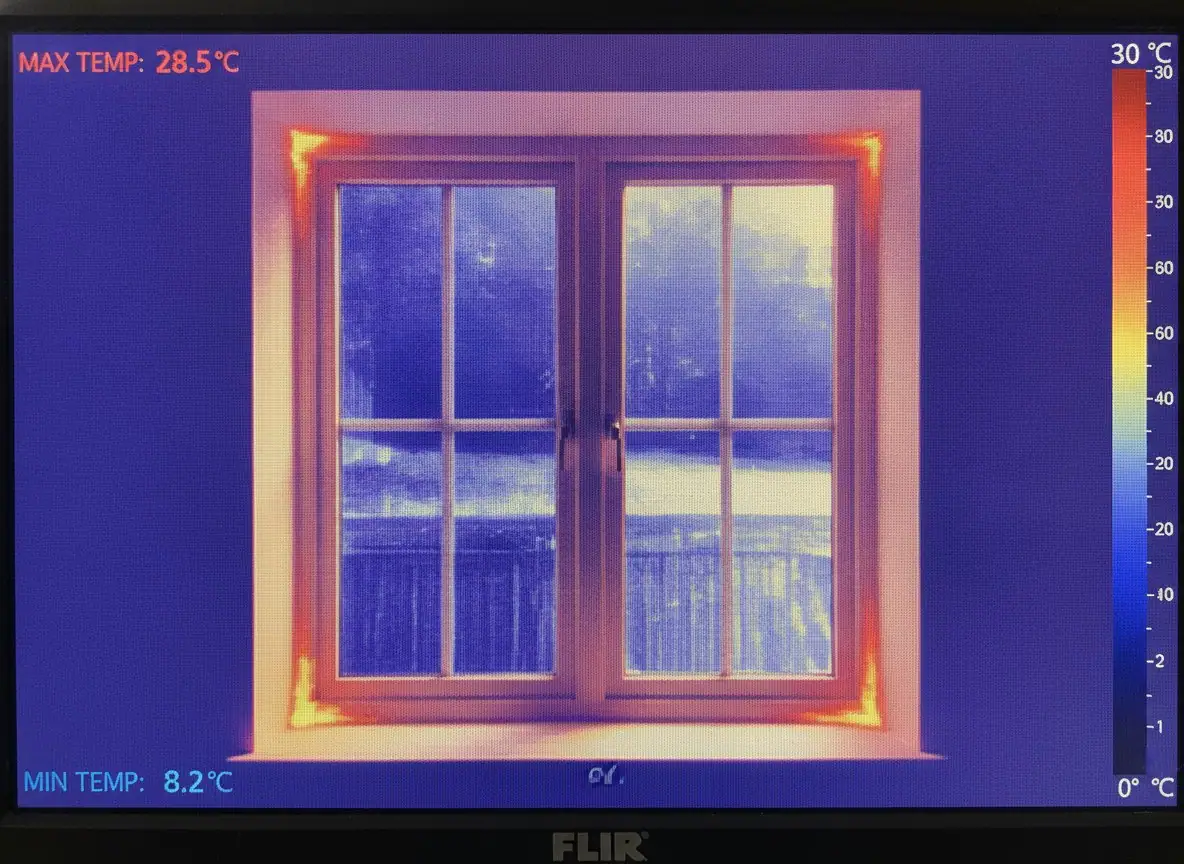
We use infrared thermography to identify hidden air infiltration pathways and thermal bridging in walls and ceilings. This step is particularly valuable in stucco-clad homes built before 1980 that are common in Rolling Hills Estates, where hidden gaps behind w
- 03
Detailed Written Estimate (Delivered Within 24 Hours)
We provide a line-item estimate specifying material type, R-value targets, square footage, labor costs, and any required preparatory work such as insulation removal or mold remediation. All pricing is transparent — no surprises.
- 04
Insulation Removal (If Required — Half to Full Day)
Where existing insulation is contaminated, pest-damaged, or below minimum performance thresholds, we remove and bag all material for proper disposal in compliance with Los Angeles County waste management regulations.
- 05
Air Sealing (2–4 Hours)
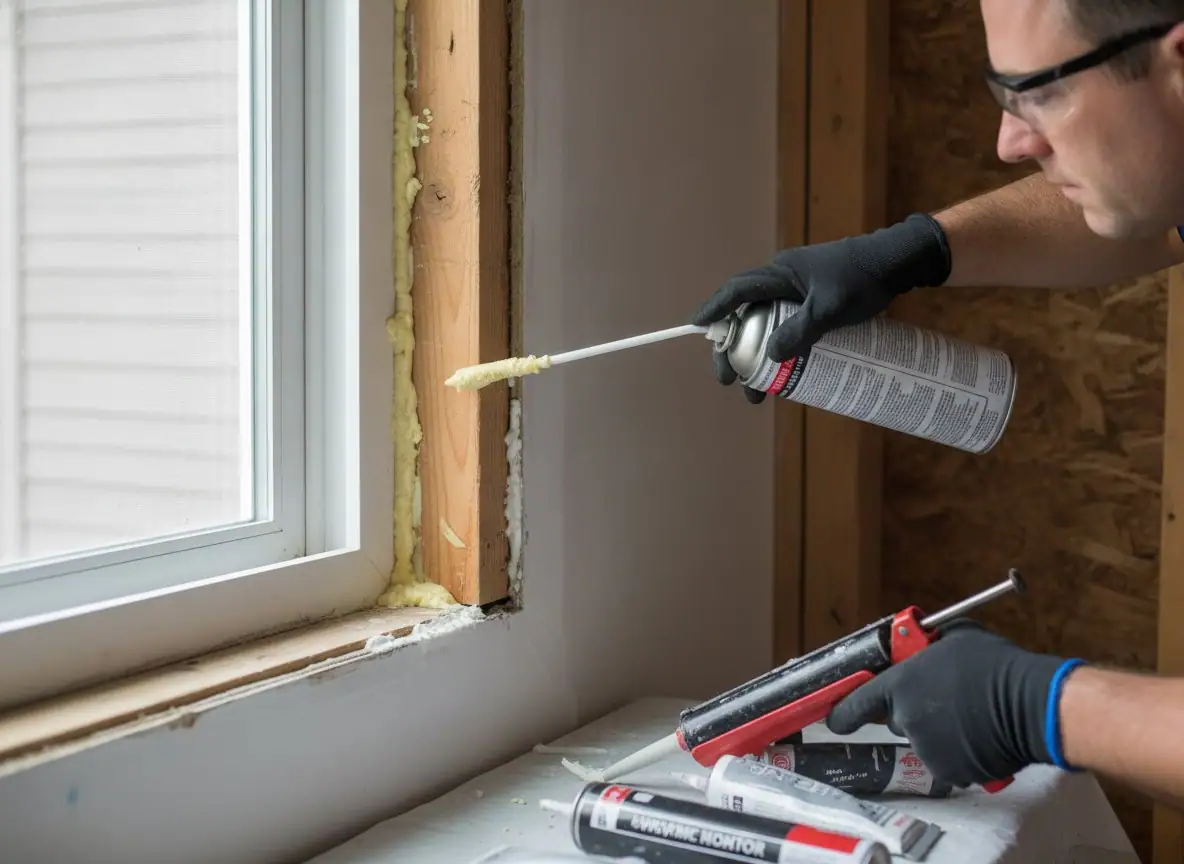
Before any new insulation is installed, we seal all penetrations, top plates, and rim joists using appropriate sealants and spray foam. This step alone can reduce air infiltration by 20–30%, significantly improving the performance of the new insulation.
- 06
Insulation Installation (Half Day to Full Day)
We install the specified insulation product — blown-in, spray foam, batts, or a combination — to the target R-value required by California Title 24 for Climate Zone 6. All installations meet or exceed current code minimums.
- 07
Final Inspection and Documentation (30 Minutes)
We conduct a post-installation walkthrough with the homeowner, photograph all completed work, and provide documentation suitable for HOA compliance filings — important for properties within Rolling Hills Estates’ community association oversight areas.
Insulation Methods and Approaches for Rolling Hills Estates Homes
Blown-In Fiberglass or Cellulose (Attic Insulation)
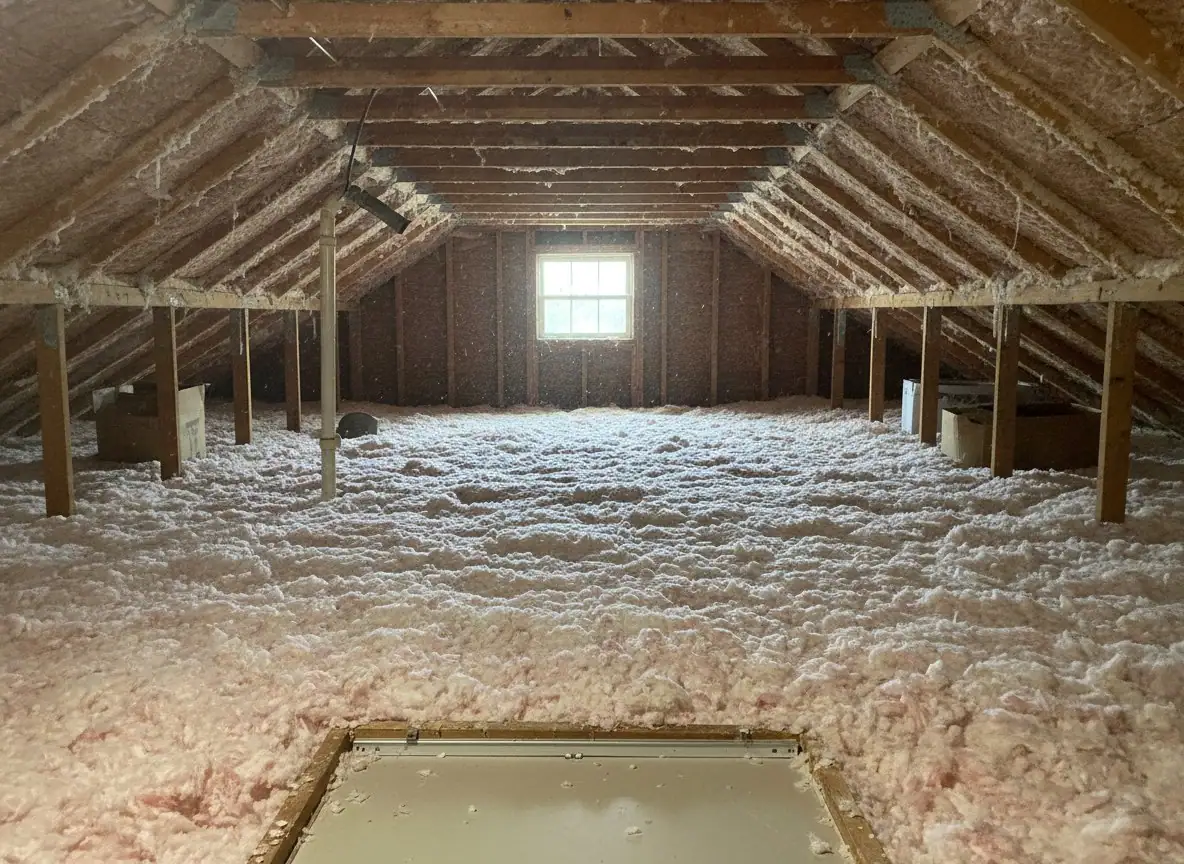
The most common method for upgrading attic insulation in Rolling Hills Estates. Blown-in material conforms to irregular attic geometries common in older hillside homes and can achieve R-38 to R-60 in a single installation. Cellulose offers superior moisture resistance — an important advantage given the peninsula’s marine layer conditions — while fiberglass is highly resistant to mold and pest damage. Learn more about our attic insulation services
Spray Foam Insulation (Crawl Spaces, Rim Joists, Hard-to-Reach Areas)
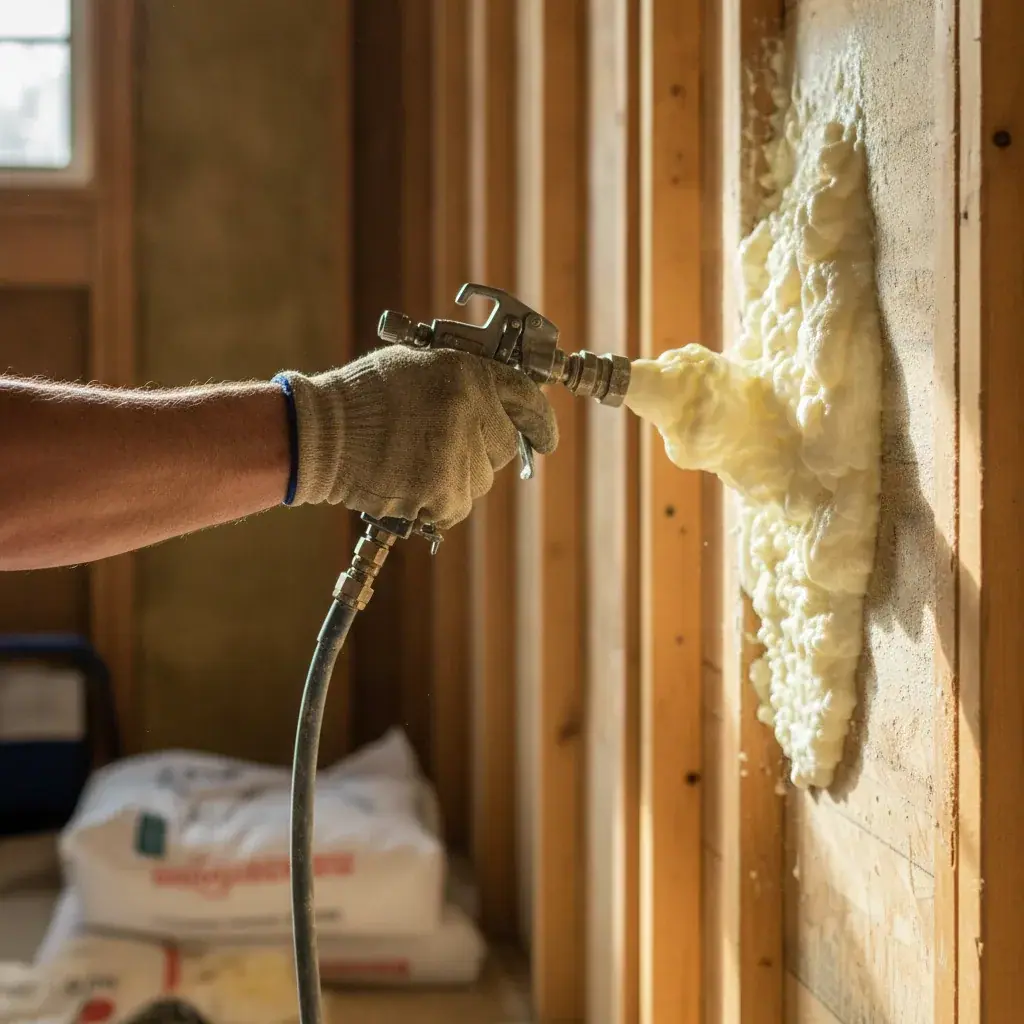
Closed-cell spray foam delivers the highest R-value per inch (approximately R-6.5 per inch) and functions as both an air barrier and vapor retarder — critical for Rolling Hills Estates crawl spaces exposed to marine moisture. Open-cell spray foam is ideal for interior applications where vapor control is less critical. Explore our spray foam insulation options
Crawl Space Encapsulation
For homes with vented crawl spaces near Agua Amarga Canyon and similar low-lying areas, full encapsulation with a 20-mil vapor barrier and conditioned air supply eliminates moisture infiltration at the source. See our crawl space encapsulation services
Batt Insulation (Wall Cavities During Renovation)
When Rolling Hills Estates homeowners are undertaking wall renovations or room additions, fiberglass or mineral wool batts provide a cost-effective method to bring wall assemblies up to R-21 or higher to meet current Title 24 standards.
Insulation Removal and Replacement
For homes with contaminated, pest-damaged, or severely degraded insulation, complete removal followed by fresh installation is the only approach that restores full thermal performance. Learn about our insulation removal process
Insulation Installation Cost in Rolling Hills Estates: What to Expect
Insulation costs in Rolling Hills Estates reflect both the regional Los Angeles County labor market and the specific challenges of working on hillside properties with complex access requirements. The following ranges represent typical project costs based on current market conditions:
- Attic Blown-In Insulation: $1.50–$3.50 per square foot, or approximately $1,800–$4,500 for a typical 1,500–2,000 sq ft Rolling Hills Estates attic, depending on current depth and target R-value.
- Spray Foam Insulation (Crawl Space or Rim Joist): $3.00–$7.00 per square foot for closed-cell, $1.50–$3.50 per square foot for open-cell. A typical crawl space project ranges from $2,500–$8,000.
- Crawl Space Encapsulation: $3,000–$10,000 depending on crawl space size, current moisture conditions, and vapor barrier specification.
- Insulation Removal: $1.00–$2.50 per square foot, often $1,200–$3,500 for a full attic removal in a typical Rolling Hills Estates home.
- Full Attic Removal and Replacement Package: $3,500–$8,500 for most homes.
Read moreShow less
Location-Specific Cost Factors: Hillside access and limited staging areas can add 10–20% to labor costs for properties on steep lots off Crenshaw Boulevard or Palos Verdes Drive North. HOA permit requirements within Rolling Hills Estates community association boundaries may add nominal permitting fees. Los Angeles County utility rebates through SoCalGas and Southern California Edison can offset project costs by $200–$1,500 depending on scope. Call (310) 496-8515 for a precise, no-obligation quote.
Neighborhoods We Serve in and Around Rolling Hills Estates
Rolling Hills Estates Equestrian Corridor (Crenshaw Boulevard Area)
Homes and equestrian properties along Crenshaw Boulevard and Palos Verdes Drive North were predominantly built in the 1960s and 1970s. Many feature low-slope rooflines, vented attics, and raised foundations — a combination that makes comprehensive air sealing and blown-in attic insulation upgrades both essential and cost-effective.
Sunnyside Ridge and Vicinity
This area features hillside homes from the 1970s with spectacular ocean views but significant exposure to marine layer moisture and canyon wind. Spray foam crawl space insulation and vapor barrier installation are particularly high-priority services here.
Palos Verdes Estates and Rancho Palos Verdes (Adjacent Service Areas)
Neighboring communities share similar building eras and climate exposures. We serve homes throughout the peninsula corridor including these adjacent communities. Learn about our Palos Verdes Peninsula insulation services
Torrance and Lomita (South Bay Flatland Neighbors)
Flatland homes in Torrance and Lomita built in the postwar 1950s era face similar insulation gaps but with easier access and lower labor complexity compared to hillside properties. Explore insulation services in Torrance
Insulation Maintenance Tips for Rolling Hills Estates Homeowners
- Inspect Your Attic Annually: Check insulation depth and look for signs of moisture, pest intrusion, or displacement — particularly after Santa Ana wind events that typically occur October through February on the Palos Verdes Peninsula.
- Monitor Crawl Space Humidity: Install a digital hygrometer in your crawl space. Readings consistently above 60% relative humidity indicate a moisture management problem that threatens insulation performance.
- Keep Attic Vents Clear: Ensure soffit and ridge vents are unobstructed to maintain proper airflow and prevent moisture accumulation during June Gloom marine layer periods.
- Address Roof Leaks Immediately: Even a minor roof leak can saturate blown-in insulation, reducing its effective R-value by up to 40% and promoting mold growth. Inspect roofing after heavy winter rains.
- Seal Penetrations After Any Remodel: Electricians, plumbers, and HVAC contractors frequently create new air infiltration pathways through attic insulation. Re-seal all penetrations after any home improvement work.
- Schedule Professional Assessments Every 5–7 Years: Insulation materials settle and compress over time. A professional inspection confirms your home is still performing to its rated R-value.
- Check Crawl Space Vapor Barrier Integrity: Rolling Hills Estates’ seasonal rains can shift and wrinkle vapor barriers. Inspect annually and repair any tears or displaced sections promptly.
Why Choose High Return Insulation in Rolling Hills Estates
High Return Insulation is a dedicated South Bay and Palos Verdes Peninsula insulation contractor with deep familiarity with the specific building stock, climate conditions, and regulatory environment of Rolling Hills Estates and surrounding communities. We are not a generalist contractor — insulation is our singular focus, which means our technicians develop genuine expertise in the nuanced challenges of marine-climate coastal homes, hillside access logistics, and California Title 24 compliance.
We serve every neighborhood across the Palos Verdes Peninsula and South Bay, including San Pedro, Harbor City, Long Beach, Carson, Torrance, Redondo Beach, Manhattan Beach, El Segundo, Inglewood, Hawthorne, Gardena, Lawndale, Lomita, Hermosa Beach, Compton, West Carson, Rolling Hills, and Palos Verdes Estates — giving us unmatched regional pricing intelligence and local knowledge that translates directly into accurate cost estimates for Rolling Hills Estates homeowners.
Read moreShow less
We provide detailed written estimates, transparent line-item pricing, and thorough post-installation documentation for HOA compliance. Our team takes pride in treating every Rolling Hills Estates property with the care and attention it deserves. Contact us today at (310) 496-8515 to get started.
FAQ
Frequently Asked Questions: Insulation Installation Cost in Rolling Hills Estates
How much does attic insulation installation cost in Rolling Hills Estates?
Most attic insulation projects in Rolling Hills Estates range from $1,800 to $4,500 for blown-in installation in a typical 1,500–2,000 square foot attic. Homes with steeper roof pitches, limited attic access, or existing insulation requiring removal may fall toward the higher end of that range. Hillside lot staging challenges can add 10–15% to labor costs compared to flatland properties in communities like Torrance or Gardena.
Does Rolling Hills Estates have specific insulation code requirements?
Yes. Rolling Hills Estates falls within California Title 24 Climate Zone 6, which requires a minimum of R-38 in attics for most residential applications, though R-49 is strongly recommended for maximum energy performance given the peninsula’s temperature variability. Wall assemblies must meet R-21 minimum for new construction and permitted remodels. All High Return Insulation projects meet or exceed these standards.
How long does a typical insulation installation take in Rolling Hills Estates?
A standard attic blown-in insulation project takes approximately four to eight hours for a typical Rolling Hills Estates home. Projects requiring insulation removal before installation typically require a full day. Crawl space encapsulation projects range from one to two days depending on crawl space size and moisture remediation requirements.
Are there utility rebates available for insulation upgrades in Rolling Hills Estates?
Yes. Southern California Edison and SoCalGas both offer rebates for qualifying insulation upgrades. Rebate amounts typically range from $200 to $1,500 depending on scope, insulation type, and R-value improvement achieved. The Los Angeles County Property Assessed Clean Energy (PACE) financing program is also available to Rolling Hills Estates homeowners and can spread project costs over time through property tax assessments.
Should I replace my crawl space insulation if I live near Agua Amarga Canyon?
Homes near low-lying canyon areas including Agua Amarga Canyon have elevated groundwater and moisture exposure risk. If your crawl space insulation is more than ten years old or shows any signs of moisture damage, sagging, or pest intrusion, professional assessment and likely replacement — combined with vapor barrier installation or full encapsulation — is strongly recommended. High humidity in these sub-floor environments degrades fiberglass insulation significantly faster than in drier inland locations.
Does spray foam insulation make sense for Rolling Hills Estates homes?
Closed-cell spray foam is an excellent choice for crawl spaces, rim joists, and hard-to-access areas in Rolling Hills Estates because it provides both insulation and a vapor retarder in a single application — directly addressing the marine layer moisture challenge. It is more expensive than blown-in alternatives at $3.00–$7.00 per square foot but delivers superior long-term performance in coastal climates.
How do I know if my Rolling Hills Estates home needs insulation removal before new installation?
Insulation removal is necessary when existing material is moisture-damaged, mold-contaminated, heavily pest-infested, or made with materials that have degraded beyond remediation. Our thermal imaging assessment identifies these conditions accurately. Many Rolling Hills Estates homes built before 1980 have original insulation that has never been replaced and is well past its effective service life. Read more about our insulation removal services
Do you serve areas outside Rolling Hills Estates?
Yes. High Return Insulation serves the full South Bay and Palos Verdes Peninsula region including San Pedro, Harbor City, Long Beach, Carson, Compton, El Segundo, Gardena, Hawthorne, Hermosa Beach, Inglewood, Lawndale, Lomita, Manhattan Beach, Palos Verdes Estates, Rancho Palos Verdes, Redondo Beach, Rolling Hills, Torrance, and West Carson. Call (310) 496-8515 to confirm service availability at your address.
Get Your Free Insulation Cost Estimate in Rolling Hills Estates Today
Whether you’re dealing with high energy bills, cold floors, a moisture-compromised crawl space, or simply haven’t assessed your insulation in years, High Return Insulation is ready to help Rolling Hills Estates homeowners make informed, cost-effective decisions. Our transparent pricing, local expertise, and commitment to quality make us the right choice for every insulation project on the Palos Verdes Peninsula.
Call us now at (310) 496-8515 to schedule your free, no-obligation on-site assessment. Our team is available to answer questions, provide rough estimates by phone, or schedule an inspection at your Rolling Hills Estates property at a time that works for you. Contact High Return Insulation online to request your estimate today — and take the first step toward a more comfortable, energy-efficient home.
Get in touch
Find insulation help near you
Request a free estimate online or give us a call — our team will follow up quickly.
- Call us(310) 496-8515
- Visit28441 Highridge Rd, Rolling Hills Estates, CA 90274
- HoursMon-Sun 07:00-19:00