
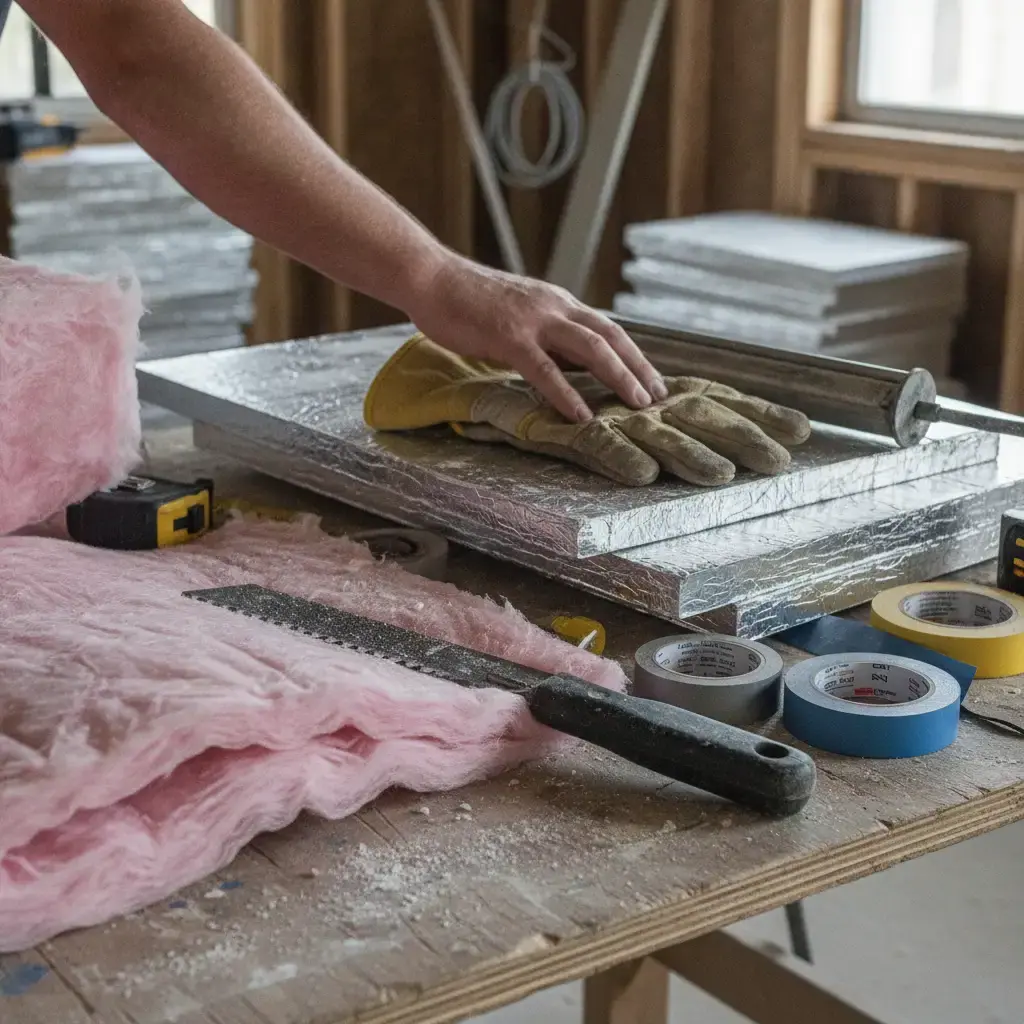
Spray Foam Insulation in Rolling Hills Estates, CA
Energy-Saving Spray Foam Insulation for Rolling HIlls Estates, CA Homes — Licensed & Insured
High Return Insulation offers expert spray foam insulation in Rolling Hills Estates, CA. Free estimates, marine layer moisture control & Title 24 compliance. Call (310) 496-8515.
Spray foam insulation is one of the most effective and durable insulation solutions available today, creating an air-tight thermal barrier that dramatically reduces energy loss and moisture infiltration. At High Return Insulation, we specialize in delivering professional spray foam insulation in Rolling Hills Estates, CA, tailored to the unique demands of this coastal hillside community on the Palos Verdes Peninsula.
Rolling Hills Estates sits at elevations ranging from roughly 200 to over 1,000 feet above sea level, where marine layer fog, temperature swings between canyon floors and ridgelines, and the region’s semi-arid Mediterranean climate create insulation challenges unlike those found in flat, inland communities. Homes here range from mid-century ranch estates to modern custom builds, each requiring a thoughtful insulation approach.
Read moreShow less
Our team brings hands-on experience with the specific construction styles, microclimates, and building materials common to Rolling Hills Estates properties. Whether you are upgrading an existing home or insulating new construction, we deliver results that pay for themselves in energy savings and comfort. Call us today at (310) 496-8515.
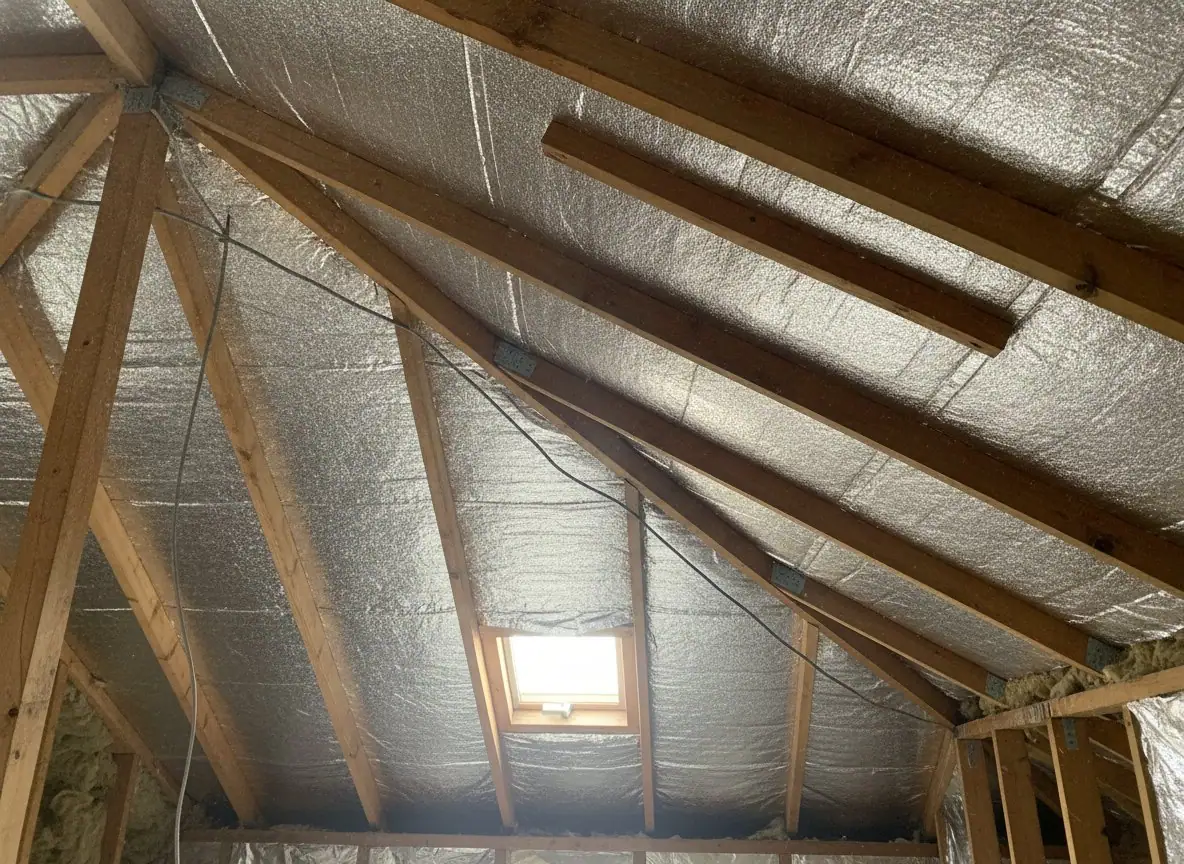
Understanding Spray Foam Insulation
Spray foam insulation is a two-component chemical product — typically polyurethane — that is mixed at the tip of a specialized spray gun and applied as a liquid that expands rapidly into a rigid or flexible foam. This expansion allows it to fill gaps, voids, and irregular cavities that traditional batt or blown-in insulation cannot reliably reach, forming both a thermal barrier and an air seal simultaneously.
There are two primary types: open-cell spray foam, which is softer, more flexible, and vapor-permeable, and closed-cell spray foam, which is denser, rigid, and highly resistant to moisture and vapor transmission. Closed-cell foam also adds measurable structural rigidity to wall assemblies, an important consideration for homes in seismically active regions like the Palos Verdes Peninsula.
Read moreShow less
Spray foam insulation became commercially viable in the 1970s and gained widespread residential adoption through the 1990s and 2000s as energy codes tightened. California’s Title 24 energy efficiency standards, which are among the strictest in the nation, have made high-performance insulation systems like spray foam increasingly essential for both new construction and retrofit projects throughout Los Angeles County.
In Rolling Hills Estates, the building stock reflects several distinct eras. The earliest homes date to the 1940s and 1950s, built when insulation standards were minimal. A significant wave of construction occurred in the 1960s and 1970s as the equestrian community developed, followed by custom luxury builds that continue today. Older homes frequently have little to no insulation in wall cavities, undersized attic insulation, or crawl spaces that are entirely unaddressed — all conditions where spray foam delivers transformational improvements.
Beyond residential applications, spray foam is widely used in crawl spaces, rim joists, garage ceilings, and mechanical rooms, making it a versatile solution for virtually every unconditioned space in a Rolling Hills Estates property. Learn more about our attic insulation services.
Why Spray Foam Insulation Is Needed in Rolling Hills Estates, CA
The Marine Layer Effect
The Palos Verdes Peninsula, including Rolling Hills Estates, is subject to the Southern California marine layer — a cool, moisture-laden marine air mass that regularly pushes inland from the Pacific, especially from May through September during the phenomenon locals call “June Gloom.” This marine air keeps temperatures in Rolling Hills Estates noticeably cooler than inland communities like Torrance or Carson, sometimes by 10–15°F on summer afternoons, while simultaneously introducing elevated ambient humidity. Without adequate vapor control — precisely what closed-cell spray foam provides — this moisture can infiltrate crawl spaces, attic sheathing, and wall cavities, encouraging mold growth and wood rot over time.
Elevation-Driven Temperature Variation
Rolling Hills Estates spans a significant elevation range. Homes near Palos Verdes Drive North at lower elevations experience different thermal conditions than properties near the ridgeline along Crenshaw Boulevard approaching Rolling Hills. Temperature differentials of 8–12°F between the canyon floors and upper ridgeline neighborhoods are common on clear winter nights. This variation means attic spaces in ridge-area homes can drop well below 40°F on winter nights while interior living spaces are maintained at 68–72°F — a thermal gradient that drives significant heat loss through poorly insulated roof assemblies. Spray foam’s superior R-value per inch (approximately R-6.5 per inch for closed-cell) addresses this more efficiently than traditional fiberglass batts (approximately R-3.2 per inch).
Seismic Considerations and Building Movement
The Palos Verdes Peninsula sits adjacent to active fault systems, and the 1994 Northridge Earthquake caused measurable structural movement in hillside homes throughout the South Bay, including Rolling Hills Estates. Seismic movement creates gaps and separations in building envelopes that rigid insulation materials cannot accommodate but that spray foam — applied as a liquid — seals permanently. These air infiltration pathways are a significant and often invisible source of energy loss.
Aging Housing Stock and Failing Existing Insulation
Many homes in neighborhoods like Georgeff Road, Caballeros Road, and Crenshaw-area estates were built in the 1960s with fiberglass batt insulation that has settled, compressed, or become contaminated with moisture over the past 50–60 years. Settled fiberglass loses significant R-value, and contaminated insulation can harbor mold and pest debris. Insulation removal and replacement with spray foam is a common and high-value project for homeowners in these areas.
Crawl Space Vulnerability
The hillside topography of Rolling Hills Estates means a large percentage of homes are built on raised foundations with significant crawl spaces that are exposed to wind-driven moisture from the canyon exposures. Encapsulating these crawl spaces with closed-cell spray foam or combining crawl space encapsulation with vapor barrier systems dramatically reduces floor-level cold spots and moisture infiltration. Explore our crawl space encapsulation services.
Free, no-obligation estimates
Talk to High Return Insulation
Tell us what you need and we’ll take it from there.
Signs You Need Spray Foam Insulation in Rolling Hills Estates
Energy and Comfort Symptoms
- Utility bills that are noticeably higher than comparable homes in Rancho Palos Verdes or Palos Verdes Estates
- Rooms that are consistently difficult to heat or cool, particularly upper-floor rooms beneath attic spaces
- Cold floors in winter, especially in homes with raised foundations and crawl spaces
- HVAC system running for unusually long cycles without reaching the thermostat setpoint
Moisture and Air Quality Symptoms
- Visible condensation on windows or interior walls during marine layer mornings
- Musty odors emanating from crawl spaces or attic areas, particularly after winter rains
- Visible mold or mildew on attic sheathing, floor joists, or crawl space framing
- Allergy symptoms worsening indoors, potentially indicating unfiltered air infiltration
Structural and Visual Indicators
- Visible gaps around electrical outlets, plumbing penetrations, or recessed lighting on exterior walls
- Attic insulation that appears flat, discolored, or compressed below its original depth
- Evidence of pest activity (rodent droppings, insect debris) in attic or crawl space, which often enters through insulation gaps
Urgency Indicators
If you notice active moisture intrusion into a crawl space or attic, or if mold is already visible on structural framing members, these conditions should be addressed promptly to prevent further structural damage.
Spray Foam Insulation Methods and Approaches
Closed-Cell Spray Foam
Closed-cell spray foam, with an R-value of approximately R-6 to R-6.5 per inch, is our most recommended product for Rolling Hills Estates applications due to its exceptional moisture resistance, vapor control, and structural reinforcement properties. It is the preferred choice for crawl spaces, rim joists, underside-of-roof-deck applications, and any area with significant moisture exposure. Its rigidity also contributes to wall racking resistance — a meaningful benefit in seismically active hillside locations.
Open-Cell Spray Foam
Open-cell spray foam, with an R-value of approximately R-3.7 per inch, is softer, more affordable, and excellent at filling irregular cavities and achieving superior soundproofing. It is well-suited for interior wall applications, media rooms, and areas where vapor permeability is acceptable or desired. In Rolling Hills Estates, open-cell foam is commonly used in interior partition walls of custom luxury homes where acoustic performance is a priority.
Flash-and-Batt Hybrid Systems
For wall cavity applications, a flash-and-batt approach — applying a thin (1–2 inch) layer of closed-cell foam against the exterior sheathing to create a vapor and air barrier, then filling the remainder of the cavity with fiberglass or mineral wool batt — provides excellent performance at a lower cost than full-fill closed-cell applications. This is a popular and cost-effective approach for retrofit wall insulation in older Rolling Hills Estates ranch homes.
Crawl Space Encapsulation with Spray Foam
For Rolling Hills Estates homes with vented crawl spaces on hillside foundations, we apply closed-cell spray foam to the underside of the floor joists and perimeter rim joists, then seal the crawl space floor with a heavy-duty vapor barrier. This approach transforms the crawl space from an unconditioned, moisture-prone void into a semi-conditioned space that dramatically improves floor comfort and indoor air quality. Learn more about crawl space insulation.
Spray Foam Insulation Cost in Rolling Hills Estates, CA
Understanding the cost of spray foam insulation in Rolling Hills Estates helps homeowners plan effectively and evaluate the return on investment. Costs vary based on material type, project scope, and site-specific conditions.
Typical Price Ranges
- Open-cell spray foam: $1.00–$1.50 per board foot (one square foot, one inch thick), making a 2,000 square foot attic application at 5 inches thick approximately $10,000–$15,000.
- Closed-cell spray foam: $1.75–$3.00 per board foot, making the same attic project at 3 inches thick approximately $10,500–$18,000.
- Crawl space encapsulation with spray foam: Typically $3,000–$8,000 depending on crawl space size and accessibility — a key variable on Rolling Hills Estates hillside properties where crawl space access can be limited.
- Rim joist and band joist sealing: $500–$2,000 depending on linear footage.
Read moreShow less
Rolling Hills Estates Cost Factors
Several local factors influence pricing in Rolling Hills Estates specifically. Hillside access and steep driveways may require specialized equipment positioning and additional labor time. Gated community protocols along Palos Verdes Drive North and within Rolling Hills Estates’ equestrian neighborhoods may add scheduling coordination. Existing insulation removal — common in older homes — adds $1.00–$2.00 per square foot to project costs. Learn about our insulation removal services.
Return on Investment
Homeowners in Rolling Hills Estates typically report 20–40% reductions in HVAC energy consumption following comprehensive spray foam insulation projects. Given average Southern California Edison rates and the high-efficiency expectations of luxury homes in this market, payback periods commonly range from 5 to 10 years, with the insulation itself performing effectively for 80+ years.
Contact us at (310) 496-8515 for a free, detailed estimate specific to your Rolling Hills Estates property.
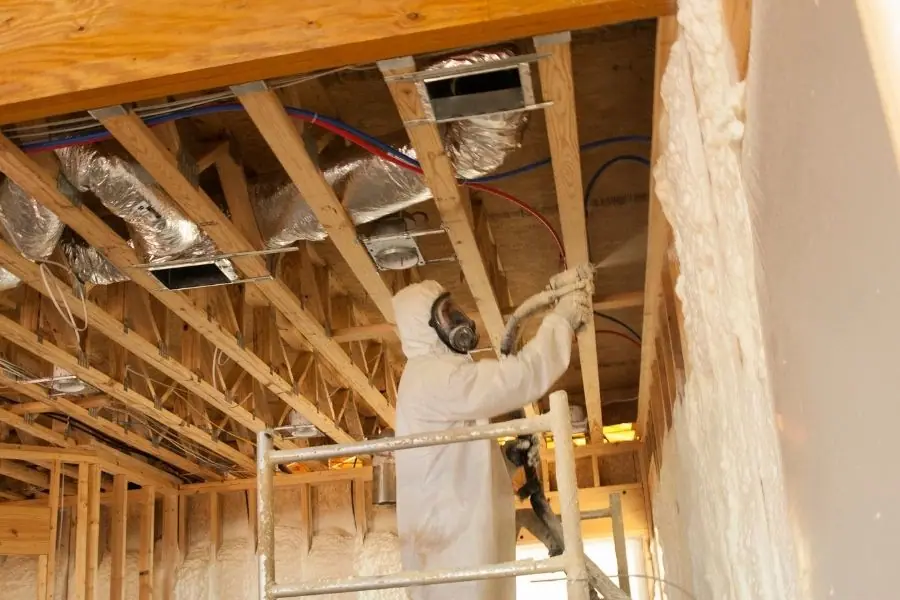
Neighborhoods We Serve in Rolling Hills Estates and Nearby Areas
Rolling Hills Estates Equestrian Districts
The horse-keeping neighborhoods along Caballeros Road and Georgeff Road feature large single-story and split-level ranch homes built predominantly between 1955 and 1975. These properties commonly have vented crawl spaces, original fiberglass batt insulation that is 50–60 years old, and minimal attic insulation well below current Title 24 standards. Spray foam retrofit projects in this area consistently deliver dramatic improvements in comfort and energy performance.
Crenshaw Corridor and Upper Ridgeline
Homes near the upper reaches of Crenshaw Boulevard bordering Rolling Hills experience the most significant temperature variation on the Peninsula. Custom homes here, many built in the 1990s and 2000s, may still have inadequate attic insulation for the elevation and wind exposure. Closed-cell attic deck applications are particularly effective in this zone.
Palos Verdes Drive North Corridor
Properties along and adjacent to Palos Verdes Drive North include a mix of 1960s tract-style homes and later custom builds. This corridor’s proximity to the marine layer makes crawl space moisture management and closed-cell foam vapor control especially valuable. We also serve adjacent communities including Palos Verdes Estates, Rancho Palos Verdes, Torrance, and Lomita.
Spray Foam Insulation Maintenance Tips for Rolling Hills Estates Homeowners
- Annual crawl space inspection: Given Rolling Hills Estates’ hillside moisture exposure, inspect crawl spaces each fall before the rainy season for any signs of vapor barrier damage or moisture accumulation.
- Monitor attic ventilation: Ensure ridge vents and soffit vents remain unobstructed, particularly after heavy marine layer periods when debris accumulates on roof surfaces.
- Check foam integrity after seismic events: Following any earthquake of Magnitude 4.0 or greater, visually inspect accessible spray foam surfaces for cracking at framing interfaces, particularly in rim joist applications.
- Maintain gutter and downspout systems: Properly functioning gutters prevent water intrusion at eave lines that can compromise attic insulation, especially on the canyon-facing sides of hillside homes.
- Seal new penetrations promptly: Any new HVAC, electrical, or plumbing penetrations through insulated assemblies should be sealed with compatible spray foam sealant immediately.
- HVAC filter changes: A well-insulated home relies on a properly functioning HVAC system. Change filters every 60–90 days, more frequently during Santa Ana wind events when particulate levels rise.
- Professional re-inspection every 10 years: Schedule a professional insulation performance review every decade to ensure system integrity and compliance with any updated Title 24 requirements.
Why Choose High Return Insulation for Spray Foam Insulation in Rolling Hills Estates
High Return Insulation is a dedicated insulation contractor serving Rolling Hills Estates and the entire Palos Verdes Peninsula with deep knowledge of the region’s unique building stock, microclimates, and regulatory requirements. We are not a generalist contractor who occasionally installs insulation — every project we complete is an insulation project, and that specialization shows in the quality and precision of our work.
Our team is thoroughly familiar with the gated community access protocols, HOA documentation requirements, and hillside site challenges specific to Rolling Hills Estates. We understand California Title 24 energy code requirements and ensure all installations meet or exceed current standards.
Read moreShow less
We offer comprehensive insulation services under one roof: spray foam insulation, attic insulation, blow-in insulation, crawl space encapsulation, insulation removal, and insulation replacement. This full-service capability means we can address every aspect of your home’s thermal envelope in a single, coordinated project.
Ready to improve your home’s comfort and efficiency? Call us at (310) 496-8515 for a free consultation.
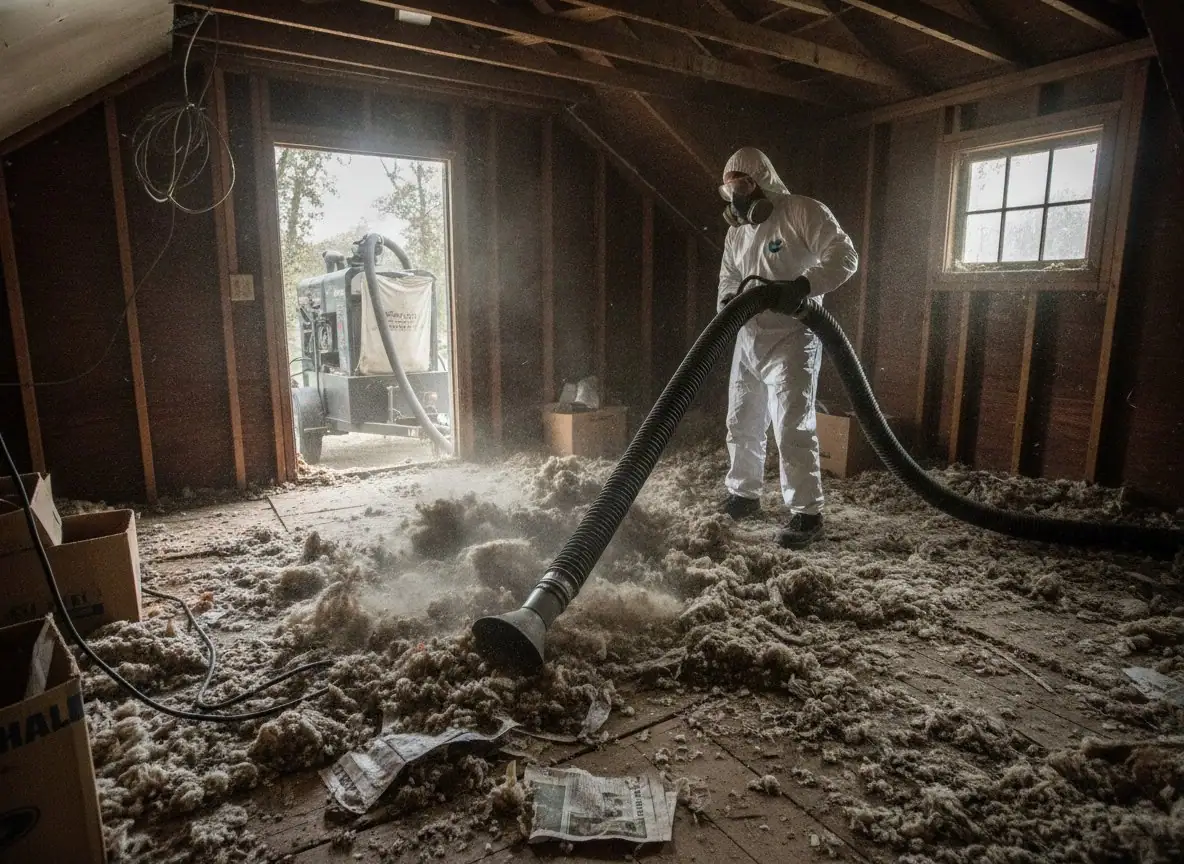
FAQ
Frequently Asked Questions About Spray Foam Insulation in Rolling Hills Estates, CA
How much does spray foam insulation cost in Rolling Hills Estates?
Spray foam insulation in Rolling Hills Estates typically costs $1.00–$1.50 per board foot for open-cell foam and $1.75–$3.00 per board foot for closed-cell foam. A complete attic insulation project for a typical Rolling Hills Estates home ranges from $8,000 to $18,000 depending on attic size, access conditions, and material selection. Crawl space projects typically range from $3,000 to $8,000. Contact us for a free, property-specific estimate.
Is spray foam insulation worth it for Rolling Hills Estates homes?
Yes, particularly for older homes built in the 1960s and 1970s with minimal original insulation. The combination of marine layer moisture exposure, hillside temperature variation, and California’s high electricity rates makes spray foam’s superior performance characteristics especially valuable in Rolling Hills Estates. Most homeowners see a 20–40% reduction in HVAC energy consumption.
How long does a spray foam insulation project take in Rolling Hills Estates?
Most residential spray foam projects in Rolling Hills Estates are completed in one to two days. You will need to vacate the property during application and for approximately 24 hours after completion while the foam fully off-gasses. We schedule projects to minimize disruption and can often complete assessment, proposal, and installation within one to two weeks of initial contact.
Is spray foam insulation safe for Rolling Hills Estates homes with children and pets?
Once fully cured — typically within 24 hours of application — spray foam insulation is inert and safe. During and immediately after application, the chemicals involved require occupant evacuation. We follow all California occupational safety and environmental guidelines during application and provide clear re-entry timing guidance for every project.
Do Rolling Hills Estates HOAs have restrictions on insulation work?
Insulation work is typically an interior or under-structure project that does not affect exterior appearance and is generally not subject to HOA architectural review. However, some Rolling Hills Estates HOA covenants have specific requirements regarding contractor access, equipment staging, and work hours. We are experienced working within these frameworks and will coordinate with HOA requirements as needed.
Does spray foam insulation help with the marine layer humidity in Rolling Hills Estates?
Absolutely. Closed-cell spray foam has a very low vapor permeance rating (approximately 0.8 perms at 2 inches), which means it acts as an effective vapor retarder that limits moisture-laden marine air from infiltrating wall cavities, attic sheathing, and crawl space framing. This is one of the most compelling benefits of spray foam specifically for Palos Verdes Peninsula homes.
Can spray foam insulation be added to my existing insulation in Rolling Hills Estates?
In most cases, yes. Spray foam can be applied over existing fiberglass batt insulation that is in good condition (not wet, moldy, or heavily compressed). However, in many older Rolling Hills Estates homes, we recommend removing degraded existing insulation first to ensure a clean, effective installation. Our team will assess your existing insulation during the initial evaluation and make a recommendation based on actual conditions. Learn about insulation removal.
What areas near Rolling Hills Estates do you serve?
In addition to Rolling Hills Estates, we serve all surrounding communities including Palos Verdes Estates, Rancho Palos Verdes, Rolling Hills, Torrance, Lomita, Redondo Beach, Manhattan Beach, Hermosa Beach, Hawthorne, Gardena, Carson, Long Beach, Compton, Inglewood, El Segundo, Lawndale, West Carson, Harbor City, and San Pedro. Call us at (310) 496-8515 to confirm service availability in your area.
Get a Free Spray Foam Insulation Estimate in Rolling Hills Estates Today
If your Rolling Hills Estates home has high energy bills, cold floors, marine layer moisture problems, or insulation that is decades past its prime, High Return Insulation is ready to help. We provide free, no-obligation on-site assessments and detailed written proposals for every project.
Our team understands the Palos Verdes Peninsula’s unique climate conditions, hillside construction challenges, and the expectations of Rolling Hills Estates homeowners. We bring the same care and precision to every project, whether it is a crawl space encapsulation on Caballeros Road or a full attic spray foam installation along the upper Crenshaw corridor.
Call us now at (310) 496-8515 to schedule your free consultation. You can also reach us through our website to request an appointment at a time that works for your schedule. Invest in your home’s comfort, efficiency, and long-term value — High Return Insulation delivers results you can measure.
Get in touch
Find insulation help near you
Request a free estimate online or give us a call — our team will follow up quickly.
- Call us(310) 496-8515
- Visit28441 Highridge Rd, Rolling Hills Estates, CA 90274
- HoursMon-Sun 07:00-19:00