Fiberglass Insulation in Rolling Hills Estates, CA
Energy-Saving Fiberglass Insulation for Rolling HIlls Estates, CA Homes — Licensed & Insured
High Return Insulation offers expert fiberglass insulation in Rolling Hills Estates, CA. Serving the Palos Verdes Peninsula. Call (310) 496-8515 for a free estimate.
Fiberglass insulation is one of the most trusted and widely installed thermal and acoustic barriers available for residential and commercial properties. Composed of fine glass fibers woven into batts, rolls, or loose-fill material, fiberglass insulation resists heat transfer, reduces energy costs, and improves indoor comfort year-round. At High Return Insulation, we specialize in professional fiberglass insulation installation tailored specifically to the unique demands of Rolling Hills Estates, CA — a hillside community with distinct microclimates, aging custom homes, and coastal air infiltration challenges that require precise insulation strategies.
Rolling Hills Estates sits on the Palos Verdes Peninsula at elevations ranging from approximately 300 to over 1,000 feet above sea level, creating temperature swings and wind exposure conditions that standard insulation approaches often fail to address. Our team understands these local dynamics and brings hands-on expertise to every project. Whether you are insulating a new build or upgrading an older estate, High Return Insulation delivers results designed for this community. Call us today at (310) 496-8515.
Understanding Fiberglass Insulation
Fiberglass insulation was first developed commercially in the 1930s after Owens-Illinois and Corning Glass Works collaborated to produce mass-manufactured glass wool. By the post-World War II housing boom, fiberglass batts had become the dominant insulation material across American residential construction — a status it maintains today, accounting for roughly 45 percent of all insulation installed in U.S. homes.
The material works by trapping tiny pockets of air within its glass fiber matrix, slowing the conduction and convection of heat through walls, attics, floors, and crawl spaces. Fiberglass insulation is rated using R-values, which measure thermal resistance per inch of thickness. Common R-values range from R-11 for standard 2×4 wall cavities to R-38 or higher for attic spaces in climate zones like Southern California’s Zone 10, where the California Energy Commission’s Title 24 building standards set specific minimum requirements.
Read moreShow less
In Rolling Hills Estates, fiberglass insulation is especially prevalent in the community’s signature ranch-style homes, Spanish Colonial estates, and mid-century modern residences — many of which were constructed between the 1950s and 1980s. During that era, insulation standards were considerably lower than today’s codes, meaning a large percentage of existing homes are significantly under-insulated by current California Energy Commission benchmarks.
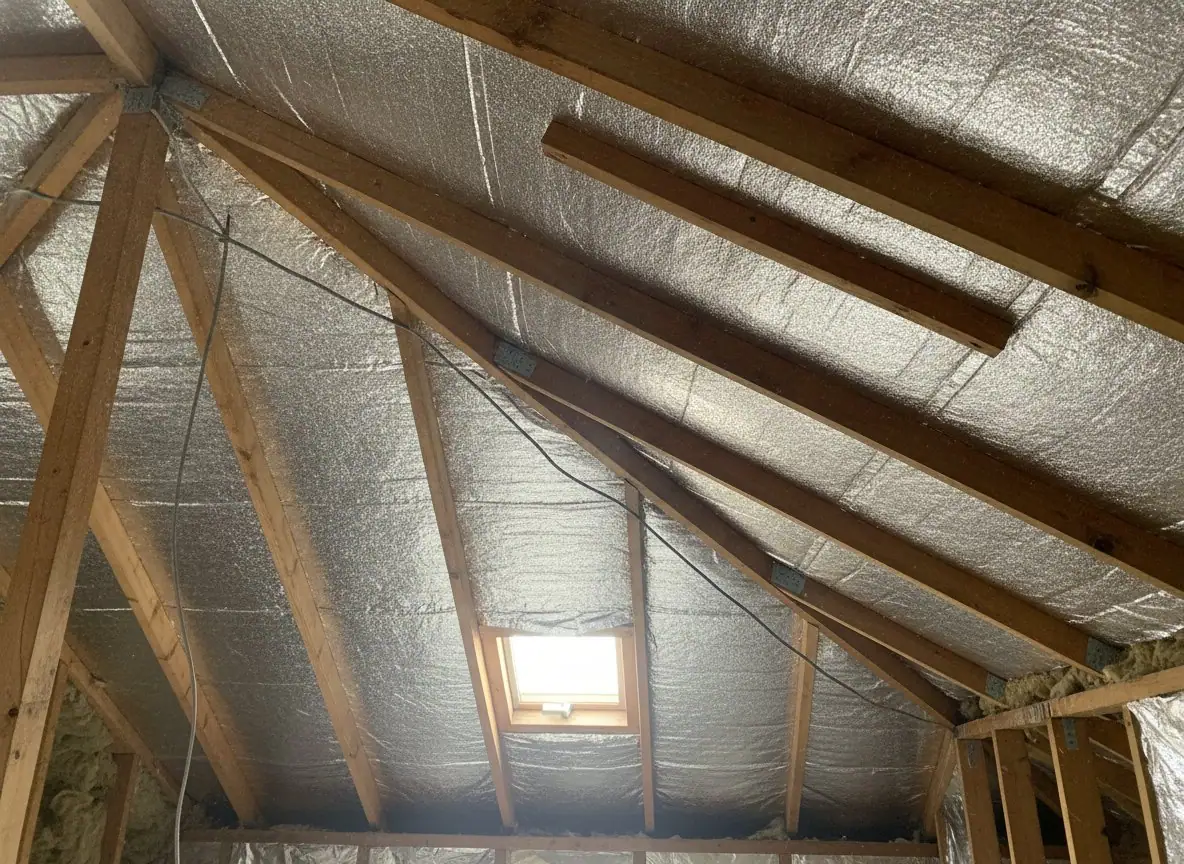
Fiberglass insulation is available in several forms: faced batts with a kraft paper or foil vapor retarder, unfaced batts for interior cavity work, and loose-fill fiberglass blown into attics or enclosed cavities. Each format serves different structural configurations commonly found across Rolling Hills Estates properties, from vaulted ceilings in hillside custom homes to the tight crawl spaces typical of homes built on the Peninsula’s sloped terrain.
Beyond thermal performance, fiberglass insulation also provides meaningful acoustic dampening — a benefit particularly valued in Rolling Hills Estates neighborhoods adjacent to Crenshaw Boulevard or near Chandler’s Palos Verdes Drive North corridor, where road noise can permeate older, under-insulated wall assemblies.
Why Fiberglass Insulation Is Needed in Rolling Hills Estates, CA
Palos Verdes Peninsula Microclimates
The Palos Verdes Peninsula — including Rolling Hills Estates, Rolling Hills, Palos Verdes Estates, and Rancho Palos Verdes — experiences a Mediterranean climate heavily modified by marine layer activity, coastal upwelling, and elevation-driven temperature stratification. Properties along Palos Verdes Drive North and those in the lower Eastfield neighborhood can experience temperatures 8 to 12 degrees Fahrenheit warmer on clear summer afternoons than homes at higher elevations near Indian Peak Road or Caballeros Road. This elevation-based temperature differential means insulation requirements genuinely vary by neighborhood and even by street within Rolling Hills Estates.
Marine Layer and Moisture Infiltration
The persistent marine layer that rolls into the Peninsula from the Pacific — especially pronounced between May and September during what locals call “June Gloom” — introduces sustained elevated humidity at ground and attic level. Moisture infiltration at humidity levels regularly exceeding 80 percent relative humidity during overnight hours creates conditions in which poorly installed or degraded insulation loses effective R-value. Fiberglass insulation, while not as moisture-resistant as closed-cell spray foam, performs reliably when properly vapor-managed — and our installation methods account for the Peninsula’s specific humidity patterns.
Aging Housing Stock
A substantial portion of Rolling Hills Estates’ residential properties were built between 1955 and 1975, during the community’s primary development period following its incorporation in 1957. Homes constructed in the Blackwater Canyon, Sunnyside Ridge, and Crestridge areas from that era were typically insulated to R-11 wall and R-19 attic standards — roughly half the thermal resistance now required under California’s 2022 Title 24 Energy Code, which mandates R-21 or higher for walls and R-49 for attics in this climate zone.
Seismic Activity Effects
The Palos Verdes Peninsula sits near multiple fault systems, including the Palos Verdes Fault and the Cabrillo Fault. Seismic events — including the 1994 Northridge Earthquake at magnitude 6.7, which was strongly felt throughout the South Bay — can settle and compress existing batt insulation, reducing its effective R-value by 15 to 25 percent in affected cavities. Homes that have not had insulation inspected since significant seismic events may be operating with substantially degraded thermal performance without any visible indication from inside the living space.
Energy Cost Pressures
Southern California Edison’s tiered rate structure means Rolling Hills Estates homeowners who exceed baseline usage — which is easily triggered during summer cooling and winter heating periods on the Peninsula — pay significantly higher per-kilowatt-hour rates. Adequate fiberglass insulation directly reduces baseline usage, keeping more households within lower SCE rate tiers.
Learn moreFree, no-obligation estimates
Talk to High Return Insulation
Tell us what you need and we’ll take it from there.
Signs You Need Fiberglass Insulation in Rolling Hills Estates
Energy and Comfort Indicators
- Monthly Southern California Edison bills that spike more than 25 percent during summer or winter months compared to spring baseline
- Rooms that never reach thermostat setpoint temperature, especially upper-floor bedrooms in two-story estates
- Noticeable drafts along exterior walls, particularly in older homes along Palos Verdes Drive North or Highridge Road
- HVAC system running continuously without achieving comfortable indoor temperatures
Physical and Structural Symptoms
- Visible gaps, sagging, or compressed batts when attic or crawl space is visually inspected
- Fiberglass insulation that has turned gray or black, indicating air infiltration and particulate buildup
- Moisture staining or mold on insulation facing material — a concern in crawl spaces beneath hillside-graded foundations
- Cold floors during Peninsula winter mornings, especially in homes with raised foundations over crawl spaces
Urgency Indicators
- Home is 30 or more years old with no documented insulation upgrade
- Recent pest intrusion — rodents frequently damage fiberglass batts in attic spaces across the Palos Verdes Peninsula
- Post-renovation wall cavities left open and not re-insulated to current Title 24 standards
Our process
Our Fiberglass Insulation Process in Rolling Hills Estates
High Return Insulation follows a structured, transparent process on every project in Rolling Hills Estates and throughout the South Bay. Here is what to expect from first contact through project completion.
- 01
On-Site Assessment (1–2 Hours)
Our technicians conduct a thorough walkthrough of your property, including attic access, crawl space inspection, and exterior wall evaluation. For hillside properties common in Rolling Hills Estates, we pay close attention to foundation type — whether slab, ra
- 02
Thermal Performance Analysis (Same Day)
We document existing R-values, identify air sealing deficiencies, and compare your home’s current insulation levels against California’s 2022 Title 24 requirements for Climate Zone 10, which applies to Rolling Hills Estates.
- 03
Customized Proposal (Within 24–48 Hours)
We provide a detailed written proposal specifying fiberglass product type, R-value targets, installation zones, and total project cost with no hidden fees.
- 04
Air Sealing Preparation (2–4 Hours on Installation Day)
Before any fiberglass insulation is installed, we seal penetrations, gaps around pipes, and attic bypasses using foam sealant and caulk. This step is essential in Rolling Hills Estates homes, where decades of settling have created air pathways that undermine i
- 05
Fiberglass Installation (4–8 Hours Depending on Scope)
Batts are cut precisely to fit wall cavities, attic bays, and floor assemblies without compression or gaps. Loose-fill fiberglass is blown to specified depth for attic applications. All work follows manufacturer installation guidelines and California energy co
- 06
Quality Inspection and Documentation (1 Hour)
A senior technician inspects all installed areas, verifies coverage depth and placement, and documents the completed R-values for your records — useful for real estate disclosure and permit compliance purposes.
- 07
Site Cleanup and Final Walkthrough (30–60 Minutes)
We remove all packaging, debris, and equipment. You receive a final summary of the work completed and guidance on maintaining insulation performance in Rolling Hills Estates’ coastal climate.
Fiberglass Insulation Methods and Approaches
Batt and Roll Installation
Fiberglass batt insulation is the most common installation method for open wall cavities, attic floors between joists, and floor assemblies over crawl spaces. In Rolling Hills Estates, faced R-21 batts are typically specified for 2×6 exterior wall framing common in post-1980 renovations, while unfaced R-15 batts suit 2×4 framing in older original walls. Learn more about our insulation installation services
Blown-In Loose-Fill Fiberglass
For attic spaces — especially those with irregular joist spacing or obstructions common in custom hillside homes — blown-in loose-fill fiberglass is ideal. Material is pneumatically distributed to a uniform depth achieving R-38 to R-49, matching Title 24 requirements. Explore our blow-in insulation services
Insulation Removal and Replacement
Older or contaminated fiberglass insulation must be safely removed before new material is installed. This is especially relevant for Rolling Hills Estates properties with rodent activity or post-earthquake compression damage. Learn about our insulation removal process
Crawl Space Fiberglass Insulation
Many Rolling Hills Estates homes with raised foundations benefit from faced fiberglass batts installed between floor joists in crawl spaces, often combined with a vapor barrier to manage ground moisture. See our crawl space insulation options
Attic Fiberglass Insulation
Attic insulation upgrades deliver the highest return on investment for most Rolling Hills Estates homeowners, given that up to 40 percent of a home’s conditioned air is lost through inadequate attic thermal barriers. View our attic insulation services
Fiberglass Insulation Cost in Rolling Hills Estates, CA
Understanding the investment involved helps Rolling Hills Estates homeowners plan effectively. Below are current market ranges for fiberglass insulation projects in the Rolling Hills Estates and South Bay area.
Typical Cost Ranges
- Attic fiberglass insulation (blown-in, 1,500–2,500 sq ft): $1,800 – $4,500
- Wall batt insulation installation (per linear foot of wall cavity): $1.50 – $3.50
- Crawl space fiberglass insulation: $2,000 – $5,000 depending on access difficulty and square footage
- Full home insulation upgrade (attic, walls, crawl space combined): $6,500 – $18,000 for larger Rolling Hills Estates estates
- Insulation removal prior to replacement: $1,000 – $3,500 depending on existing material volume and contamination level
Read moreShow less
Factors Affecting Cost in Rolling Hills Estates
- Hillside access complexity: Stepped foundations and steep lot grades on the Palos Verdes Peninsula can increase crawl space labor costs by 20 to 35 percent compared to flat-lot properties.
- Existing insulation condition: Contaminated or rodent-damaged material requires removal before installation, adding to total project cost.
- R-value target: Higher R-value specifications require more material and affect pricing.
- Property age and access: Pre-1970 homes often have unconventional framing spacing that increases batt cutting and fitting labor time.
California utility rebates through Southern California Edison’s Energy Efficiency programs may offset a portion of qualifying insulation upgrade costs. High Return Insulation can advise on current rebate eligibility at the time of your estimate. Call (310) 496-8515 for a detailed, no-obligation quote tailored to your Rolling Hills Estates property.
Rolling Hills Estates Neighborhoods We Serve
Eastfield and Lower Palos Verdes Drive North Corridor
Homes in the Eastfield area adjacent to Palos Verdes Drive North were largely constructed in the 1960s and feature low-slope ranch layouts with attic spaces that are frequently under-insulated relative to current Title 24 standards. These properties benefit significantly from blown-in attic upgrades and crawl space batt installation.
Sunnyside Ridge and Crestridge
This elevated neighborhood, developed primarily between 1965 and 1980, includes larger custom homes with vaulted ceilings and complex roof lines that require careful batt fitting and air sealing to achieve effective thermal performance without creating moisture trapping.
Blackwater Canyon Area
Properties near the Blackwater Canyon open space experience stronger coastal wind exposure than lower-elevation neighborhoods, making wall insulation performance especially important for maintaining consistent interior temperatures year-round.
Caballeros Road and Indian Peak Corridor
Among the highest-elevation addresses in Rolling Hills Estates, these properties face the greatest temperature variation between day and night — exceeding 25°F on clear summer evenings — making comprehensive fiberglass insulation upgrades particularly impactful for comfort and energy cost reduction.
Fiberglass Insulation Maintenance Tips for Rolling Hills Estates Homeowners
- Inspect attic insulation annually — particularly after significant seismic events — for settling, compression, or moisture damage.
- Check crawl space vapor barriers each spring before the dry season to ensure ground moisture is not compromising fiberglass batt integrity beneath your floor system.
- Seal attic access hatches with weatherstripping annually, as these are frequent air leakage points in older Rolling Hills Estates homes.
- Monitor for pest activity — the Palos Verdes Peninsula’s interface between residential development and open space creates conditions for rodent intrusion that can rapidly destroy fiberglass batt installations.
- Keep attic vents clear of debris from the Peninsula’s seasonal eucalyptus leaf drop to maintain proper ventilation balance alongside insulation.
- Avoid compressing insulation by storing items directly on attic floor batts — compression reduces R-value in direct proportion to thickness lost.
- Schedule a professional re-inspection every 10 years or following any major renovation, roof replacement, or significant water intrusion event.
Why Choose High Return Insulation in Rolling Hills Estates
High Return Insulation is a locally focused insulation contractor serving Rolling Hills Estates and the broader Palos Verdes Peninsula and South Bay region. Our technicians have direct, hands-on experience with the specific insulation challenges presented by this community — hillside foundations, coastal humidity, aging mid-century housing stock, and the demanding requirements of California’s Title 24 energy code.
We do not apply generic insulation solutions to complex properties. Every Rolling Hills Estates project begins with a thorough site-specific assessment, and every proposal reflects the actual structural and climatic conditions of your home. We service the full range of insulation needs, from attic insulation and blow-in insulation to crawl space encapsulation and insulation removal and replacement.
Read moreShow less
Our customers throughout Rolling Hills Estates, Rolling Hills, Palos Verdes Estates, Rancho Palos Verdes, and the surrounding South Bay communities trust High Return Insulation because we communicate clearly, arrive on time, and stand behind our work. Call us at (310) 496-8515 to schedule your assessment.
FAQ
Frequently Asked Questions: Fiberglass Insulation in Rolling Hills Estates, CA
How much does fiberglass insulation cost in Rolling Hills Estates?
Project costs vary based on scope, but most Rolling Hills Estates homeowners invest between $1,800 and $4,500 for an attic fiberglass upgrade and $6,500 to $18,000 for comprehensive whole-home insulation including walls and crawl space. The hillside terrain and custom home layouts common in Rolling Hills Estates can add 20 to 35 percent to labor costs compared to flat-lot South Bay properties. Contact us at (310) 496-8515 for a precise quote.
How long does fiberglass insulation installation take in a typical Rolling Hills Estates home?
An attic-only blown-in project typically takes four to six hours. A full home insulation upgrade — including attic, walls, and crawl space — generally spans one to two full days depending on home size and access complexity. We minimize disruption to your household throughout the process.
Is fiberglass insulation the right choice for homes on the Palos Verdes Peninsula?
Fiberglass insulation is an excellent choice for most Rolling Hills Estates applications when properly installed with appropriate vapor management. In areas with extreme moisture exposure — such as crawl spaces with active groundwater — we may recommend combining fiberglass with a vapor barrier or upgrading to spray foam for specific zones. Learn about our spray foam insulation options
Will fiberglass insulation help with the marine layer humidity that affects Rolling Hills Estates homes?
Properly installed fiberglass insulation with appropriate vapor retarders manages moisture effectively for most Rolling Hills Estates conditions. The key is ensuring insulation is installed without gaps or compression that would allow humid air to bypass the thermal barrier. Our installation process includes comprehensive air sealing specifically because of the Peninsula’s moisture environment.
Does California Title 24 require specific R-values for Rolling Hills Estates?
Yes. Rolling Hills Estates falls within California’s Climate Zone 10 under the 2022 Title 24 Energy Code. This zone requires a minimum of R-49 for attic insulation in new construction and significant renovation projects, and R-21 for exterior walls with 2×6 framing. Many existing homes in the community fall well short of these benchmarks, particularly those built before 1980.
How do I know if my existing fiberglass insulation needs to be replaced?
Signs include visible compression or sagging of batts, discoloration from air infiltration, moisture damage, pest contamination, or documented age exceeding 30 years without inspection. Homes in Rolling Hills Estates that have not had insulation assessed since the 1994 Northridge Earthquake should be evaluated for settlement-related compression losses.
Do you serve areas near Rolling Hills Estates?
Yes. In addition to Rolling Hills Estates, High Return Insulation serves Rolling Hills, Palos Verdes Estates, Rancho Palos Verdes, Torrance, Redondo Beach, Manhattan Beach, Hermosa Beach, Lomita, and the broader South Bay region. View our complete service area
Can I get utility rebates for fiberglass insulation upgrades in Rolling Hills Estates?
Southern California Edison offers energy efficiency rebates for qualifying insulation upgrades. Eligibility depends on your current insulation levels, the R-value improvement achieved, and SCE program availability at the time of installation. Our team can advise you on current program parameters during your project assessment.
Get Your Fiberglass Insulation Estimate in Rolling Hills Estates Today
If your Rolling Hills Estates home is losing conditioned air, accumulating high energy bills, or simply aging past the point where original insulation is performing adequately, High Return Insulation is ready to help. We provide honest, detailed assessments and competitive pricing tailored to the unique conditions of the Palos Verdes Peninsula.
Do not wait through another summer of overworked air conditioning or another winter of cold floors and drafty rooms. Call High Return Insulation today at (310) 496-8515 to schedule your on-site assessment. We serve Rolling Hills Estates and the full South Bay region and are ready to deliver fiberglass insulation solutions that genuinely perform in this community’s demanding coastal environment.
Get in touch
Find insulation help near you
Request a free estimate online or give us a call — our team will follow up quickly.
- Call us(310) 496-8515
- Visit28441 Highridge Rd, Rolling Hills Estates, CA 90274
- HoursMon-Sun 07:00-19:00