

Open Cell Spray Foam Insulation in Rolling Hills Estates, CA
Energy-Saving Open Cell Spray Foam Insulation for Rolling HIlls Estates, CA Homes — Licensed & Insured
Get expert open cell spray foam insulation in Rolling Hills Estates, CA. High Return Insulation serves the Palos Verdes Peninsula. Call (310) 496-8515 today.
Open cell spray foam insulation is a cutting-edge, flexible insulation solution that expands upon application to fill every gap, cavity, and irregular surface inside your home or commercial building. Unlike rigid board insulation or fiberglass batts, open cell spray foam creates an air-tight thermal envelope that dramatically reduces energy loss through walls, ceilings, floors, and roof decks.
Rolling Hills Estates presents a unique set of conditions that make proper insulation not just a comfort upgrade but a necessity. Perched on the Palos Verdes Peninsula at elevations reaching 1,200 feet, homes here experience ocean-driven humidity, coastal fog, and temperature swings that challenge conventional insulation systems. The area’s characteristic hillside terrain and equestrian-zoned estate lots also mean many homes have large, irregular attic spaces and vented crawl spaces that demand specialized insulation strategies.
Read moreShow less
At High Return Insulation, we understand the specific demands of Peninsula living. Our team provides professional open cell spray foam insulation solutions tailored to the microclimates, building types, and architectural styles found throughout Rolling Hills Estates. Call us today at (310) 496-8515 to schedule your assessment.
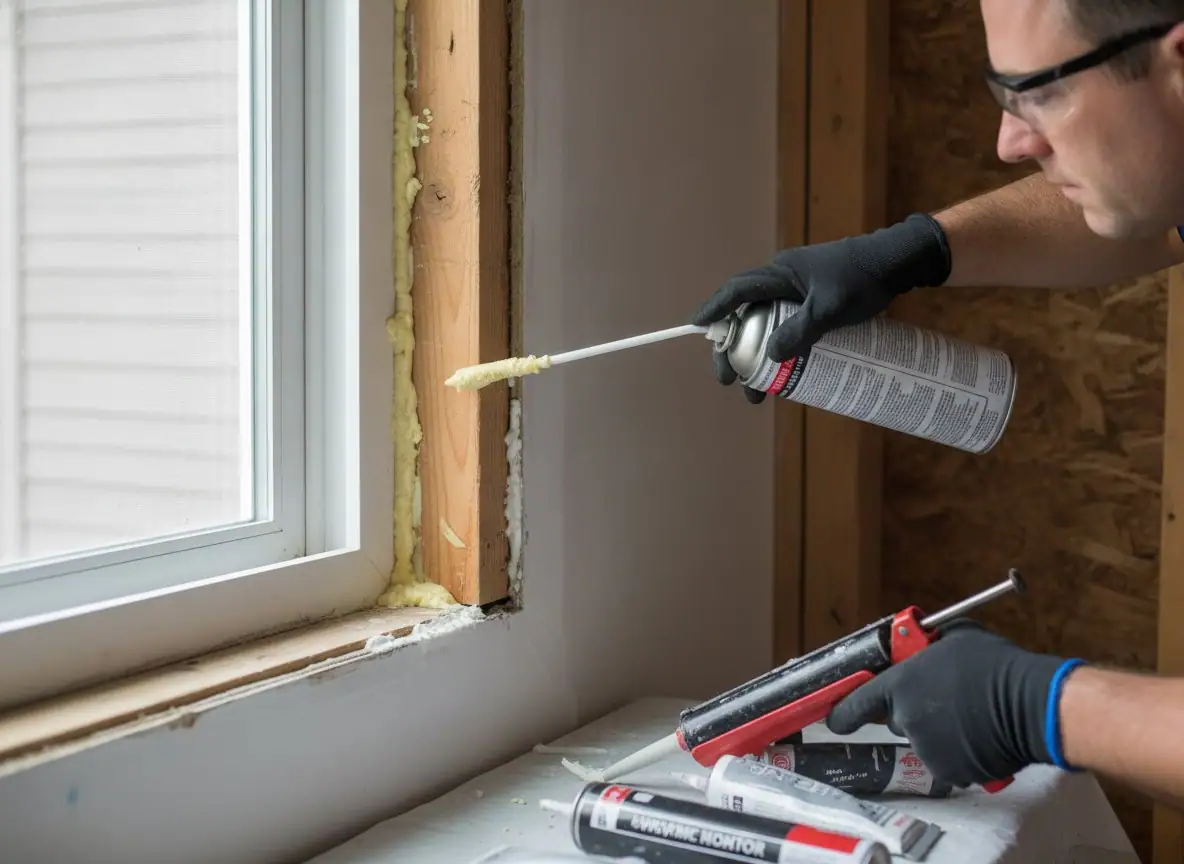
Understanding Open Cell Spray Foam Insulation in Rolling Hills Estates
Open cell spray foam insulation is a two-component polyurethane material that, when mixed and sprayed onto a surface, expands up to 100 times its original volume. The resulting foam has a soft, sponge-like texture composed of microscopic cells that are intentionally left open. This open-cell structure gives the material its signature flexibility, sound-dampening qualities, and breathability — properties that are particularly valuable in the coastal climate of the Palos Verdes Peninsula.
The technology has evolved significantly since spray polyurethane foam was first commercialized for construction in the 1970s. Modern open cell formulations achieve R-values of approximately R-3.5 to R-3.8 per inch. While this is lower than closed cell foam on a per-inch basis, open cell foam can be applied in thicker layers, particularly in deep rafter bays and wide-open attic spaces — both of which are common in Rolling Hills Estates’ sprawling ranch-style and mid-century modern homes built during the community’s primary development era between the late 1950s and 1980s.
Read moreShow less
In a residential or commercial building, open cell spray foam is most commonly installed in attic rafters and roof decks, interior wall cavities, rim joists, vaulted ceilings, and accessible crawl spaces. When applied to the underside of roof sheathing, it converts a ventilated attic into an unvented, conditioned attic space, which is particularly effective at preventing the infiltration of marine-layer moisture and coastal air.
Rolling Hills Estates is a predominantly residential community of approximately 8,000 residents, characterized by large single-family estates, horse properties, and gated communities. Many of these homes were built with minimal or no insulation standards by today’s benchmarks, making retrofit open cell spray foam insulation one of the highest-impact upgrades a homeowner can make. The material also adheres well to the wood-frame and stucco construction common across the Peninsula, ensuring long-lasting performance even in hillside structures subject to minor settling and movement.
For newer construction and room additions — which continue to take place across Rolling Hills Estates under the city’s strict architectural guidelines — open cell spray foam offers builders a flexible, high-performance solution that satisfies California’s Title 24 energy code requirements while accommodating the custom designs common to the area.
Why Open Cell Spray Foam Insulation Is Needed in Rolling Hills Estates
Marine Layer and Coastal Fog Infiltration
Rolling Hills Estates sits directly in the path of Southern California’s June Gloom phenomenon, where a persistent marine layer rolls in from the Pacific and blankets the Peninsula in dense fog and elevated humidity levels from May through August. Humidity levels regularly reach 80 to 95 percent during overnight and morning hours in neighborhoods like Peppertree Lane and the Eastfield Drive corridor. Traditional fiberglass batt insulation, which is vapor-permeable, absorbs this moisture over time, reducing its effective R-value by as much as 40 percent when wet. Open cell spray foam, while also vapor-permeable, resists moisture accumulation and dries readily, maintaining consistent thermal performance through the fog season.
Elevation-Driven Temperature Swings
Unlike coastal communities at sea level, Rolling Hills Estates reaches elevations between 800 and 1,200 feet above sea level. This elevation creates a genuine temperature differential — summer nights on the upper Peninsula can drop to the low 50s Fahrenheit even when inland communities remain in the 70s. Winter mornings can fall below freezing near the Palos Verdes Drive North boundary. These 30-to-40 degree daily temperature swings place continuous stress on building envelopes and accelerate the deterioration of older batt insulation that has settled or shifted inside wall cavities over decades.
Aging Housing Stock and Energy Code Gaps
A significant portion of Rolling Hills Estates’ residential structures were built between 1958 and 1978, before California adopted robust energy codes. Homes along Crest Road, Indian Valley Road, and the Blackwater Canyon area were constructed with R-11 fiberglass batts in 2×4 walls — a standard that falls dramatically short of California’s current Title 24 requirements, which call for R-13 minimum in walls and R-38 in attics. Decades of settling, rodent activity, and moisture exposure have further degraded the performance of these original installations.
Equestrian Properties and Non-Standard Structures
Rolling Hills Estates is one of the few remaining equestrian communities in Los Angeles County, with dedicated horse trails maintained by the city’s Equestrian Committee. Many properties include barns, tack rooms, guesthouses, and large garage structures that share HVAC systems with the main residence. These outbuildings often lack any insulation whatsoever. Open cell spray foam is an ideal solution for these irregular, non-standard structures where the geometry of the space makes conventional insulation impractical.
Wildfire Smoke and Air Quality Events
The Palos Verdes Peninsula experienced significant air quality impacts during the 2018 Woolsey Fire and the 2020 Bobcat Fire, with smoke infiltration reaching interior living spaces of homes with leaky building envelopes. Open cell spray foam’s air-sealing properties — reducing air infiltration by up to 50 percent compared to fiberglass in the same cavity — significantly reduce the ability of smoke particles and outdoor pollutants to enter conditioned living spaces, an increasingly important consideration for Peninsula residents.
Free, no-obligation estimates
Talk to High Return Insulation
Tell us what you need and we’ll take it from there.
Signs You Need Open Cell Spray Foam Insulation in Rolling Hills Estates
Energy and Comfort Indicators
- Monthly electricity bills exceeding $250 to $400 for a mid-sized Rolling Hills Estates home during summer or winter months
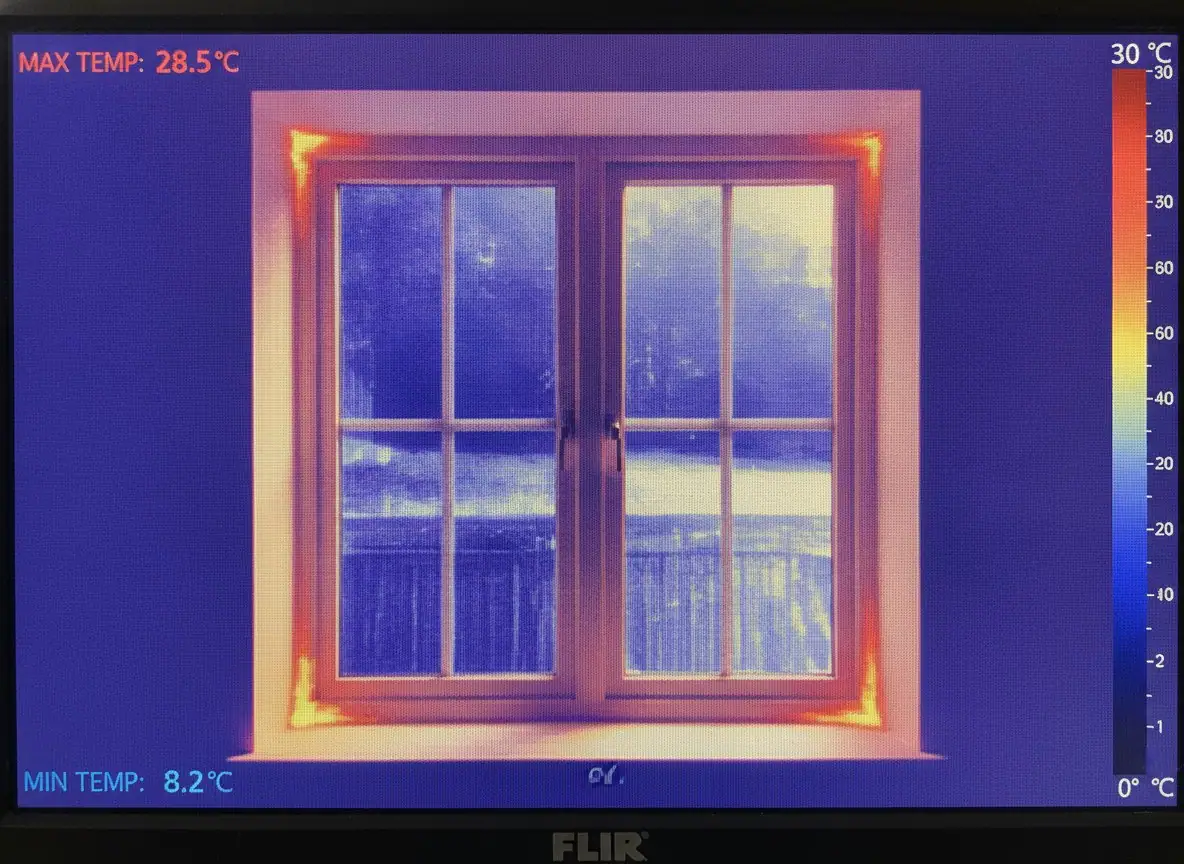
- Noticeable cold drafts near windows, outlets, or exterior walls even when the HVAC system is running
- Rooms on the upper floor or near the roof line that are 5 to 10 degrees warmer or cooler than the rest of the house
- HVAC system cycling on and off more frequently than every 15 to 20 minutes during mild weather
Moisture and Air Quality Indicators
- Condensation forming on interior window glass during Rolling Hills Estates’ foggy morning hours
- Musty odors in attic spaces or rooms directly below the roofline, especially after fog events
- Visible mold or mildew staining on attic sheathing or ceiling drywall
- Allergy symptoms that worsen indoors, suggesting outdoor air infiltration through an unsealed building envelope
Structural and Visual Indicators
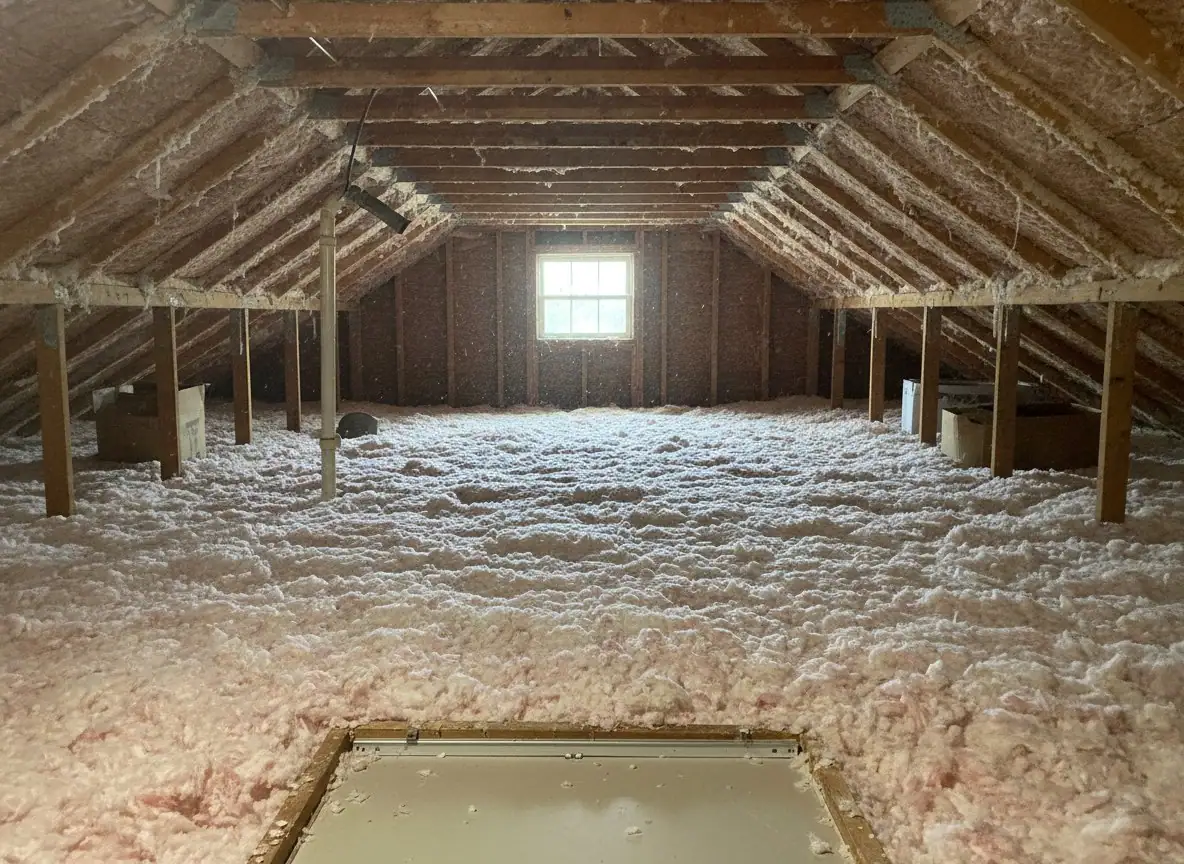
- Fiberglass batts that are visibly sagging, discolored, or fallen from their original position in the attic
- Rodent tunnels or nesting visible within existing insulation, common in hillside properties near open space
- Insulation depth in the attic measuring less than 10 inches, indicating an R-value below current California standards
Our process
Our Open Cell Spray Foam Insulation Process in Rolling Hills Estates
High Return Insulation follows a systematic, transparent process designed specifically for the types of homes and conditions found throughout Rolling Hills Estates and the broader Palos Verdes Peninsula.
- 01
On-Site Assessment and Energy Audit (1–2 Hours)
A certified insulation specialist visits your property to evaluate the current insulation state, measure attic depth and accessible wall cavities, check for moisture intrusion or rodent damage, and identify air leakage pathways. We account for your home’s spec
- 02
Detailed Proposal and Material Selection (24–48 Hours)
Within one to two business days, we provide a written proposal specifying the open cell foam product to be used, target R-values for each installation zone, and total project cost. We select foam formulations appropriate for the coastal humidity levels common
- 03
Pre-Installation Preparation (2–4 Hours on Installation Day)
Before spraying begins, our crew removes existing damaged insulation if needed, seals major air bypasses around recessed lights and plumbing penetrations, protects surfaces that should not receive foam including HVAC equipment, and ventilates the workspace. Th
- 04
Spray Foam Application (3–8 Hours Depending on Scope)
Our trained applicators spray open cell foam in controlled passes, building up thickness incrementally to reach the specified R-value target. In unvented attic applications — particularly effective for the complex roof geometries of estate homes on Crenshaw Bo
- 05
Curing and Quality Inspection (1–2 Hours)
Open cell foam reaches tack-free cure in approximately 30 to 60 seconds and achieves full cure within 24 hours. Our team performs a post-application inspection to verify uniform coverage, correct thickness, and proper adhesion to all substrate surfaces.
- 06
Final Walkthrough and Documentation (30 Minutes)
We walk the homeowner through the completed installation, provide documentation of R-values achieved, and advise on HVAC adjustments that may be appropriate now that the building envelope has been significantly tightened.
Open Cell Spray Foam Methods and Approaches for Rolling Hills Estates Homes
Unvented Attic Assembly (Hot Roof Application)
The most transformative application in Rolling Hills Estates, this method involves spraying open cell foam directly to the underside of roof sheathing at a minimum of 5.5 inches thickness (approximately R-20) and often up to 8 to 10 inches (R-29 to R-38). This approach eliminates the need for attic ventilation, keeps HVAC ducts in conditioned space, and prevents marine-layer moisture from entering the attic cavity. It is ideal for the complex, multi-hip roof designs common to estate homes throughout the city.
Wall Cavity Retrofit Application
For existing homes where walls have been opened during renovation — increasingly common as Rolling Hills Estates homeowners undertake kitchen and bathroom remodels — open cell foam is sprayed directly into the exposed wall cavity before drywall installation. The foam expands to fill irregular framing gaps common in the custom construction found across the Peninsula.
Rim Joist and Band Joist Sealing
Rim joists at foundation level are among the most significant sources of air infiltration in hillside homes. Open cell foam applied to rim joists at 3 to 5 inches thickness provides both thermal resistance and critical air sealing at this vulnerable junction, particularly important in homes with raised foundations built along the slopes of Portuguese Bend and Blackwater Canyon Road.
Crawl Space Ceiling Application
In Rolling Hills Estates properties with vented crawl spaces — common in the elevated, post-and-beam homes on Williamsburg Lane and Estates Drive — open cell foam applied to the crawl space ceiling joists prevents cold floor syndrome and blocks moisture migration from the ground into living areas. This is often paired with our crawl space encapsulation service for comprehensive results.
Combination Approach for Whole-Home Performance
For estate homes with multiple thermal boundary challenges, we frequently combine open cell foam in the attic with blow-in insulation in dense-pack wall cavities, delivering comprehensive energy performance across the entire building envelope.
Open Cell Spray Foam Insulation Cost in Rolling Hills Estates
Open cell spray foam insulation in Rolling Hills Estates typically costs between $1.50 and $2.50 per board foot installed, where one board foot equals one square foot of coverage at one inch of thickness. For a 2,000-square-foot attic application at 6 inches of thickness, homeowners can expect total project costs ranging from $18,000 to $30,000. Smaller targeted applications such as rim joist sealing or crawl space ceiling coverage in a 1,500-square-foot home typically range from $3,500 to $7,500.
Factors That Influence Open Cell Spray Foam Cost in Rolling Hills Estates
- Access and elevation complexity: Homes on steep lots along Crenshaw Boulevard or Palos Verdes Drive North may require additional setup time and specialized equipment, adding 10 to 20 percent to base installation costs.
- Existing insulation removal: If damaged or rodent-contaminated insulation must be removed prior to foam application, removal costs add $1,500 to $4,000 depending on volume. See our insulation removal service for details.
- Attic configuration: Complex roof geometries with multiple hip valleys, dormers, or low-clearance areas require more labor time per square foot.
- R-value target: Thicker applications targeting R-38 or above for Title 24 compliance cost proportionally more than minimum code applications.
- Market conditions: The Palos Verdes Peninsula’s high cost of living is reflected in local contractor pricing, typically 15 to 25 percent above San Fernando Valley or Inland Empire benchmarks.
Read moreShow less
Many Rolling Hills Estates homeowners recover a significant portion of their investment through Southern California Edison energy rebates and California’s available tax credits. Contact us at (310) 496-8515 to discuss current incentive programs available in your area.
Rolling Hills Estates Neighborhoods We Serve
Highridge Road and Crenshaw Corridor
This central corridor features large single-family estates built primarily in the 1960s and 1970s, many with original fiberglass batt insulation that has never been replaced. The elevated position along this corridor exposes homes to the strongest fog events and winds on the Peninsula, making open cell spray foam attic applications particularly high-value here.
Williamsburg Lane and Estates Drive Area
Homes in this eastern section of Rolling Hills Estates frequently feature raised foundations and expansive vented crawl spaces — a product of the gentle hillside grading in this zone. Crawl space insulation and rim joist sealing are among the most common services we perform in this neighborhood. We also serve neighboring Rolling Hills with similar estate-style homes.
Palos Verdes Drive North Boundary Properties
Properties along the northern edge of Rolling Hills Estates border Torrance and experience greater temperature variability due to reduced marine influence. Homes here are often larger, with more complex rooflines and a mix of 1970s and 1980s construction. These properties benefit significantly from comprehensive unvented attic assemblies using open cell foam.
Serving the Greater Palos Verdes Peninsula and South Bay
Beyond Rolling Hills Estates, High Return Insulation proudly serves Palos Verdes Estates, Rancho Palos Verdes, Torrance, Redondo Beach, Manhattan Beach, Lomita, and communities throughout the South Bay including Long Beach and Carson.
Maintenance Tips for Open Cell Spray Foam Insulation in Rolling Hills Estates
- Inspect annually after fog season (September): After the June-through-August marine layer period, visually inspect accessible foam surfaces for any signs of moisture staining or unusual discoloration that may indicate a roof leak above the foam layer.
- Monitor for roof leaks promptly: Open cell foam in an unvented attic will absorb water from a roof leak. Address any roofing deficiencies before they reach the foam layer to prevent prolonged moisture retention.
- Check HVAC balance annually: After foam installation creates a tightened envelope, have your HVAC contractor verify that indoor air quality ventilation meets ASHRAE 62.2 standards — particularly important in Rolling Hills Estates homes that now have significantly reduced natural air infiltration.
- Keep attic access points sealed: Ensure attic hatch covers are insulated and weather-stripped to prevent bypassing the foam’s thermal boundary.
- Schedule pest inspections biannually: Rolling Hills Estates’ proximity to open space and equestrian trails increases rodent pressure. While foam resists rodents better than fiberglass, inspect accessible areas for gnawing activity on foam surfaces and seal entry points in the foundation and roof line.
- Do not paint or coat open cell foam: Unless using a product specifically approved for contact with spray polyurethane foam, avoid applying paints or coatings that could trap moisture within the foam.
- Document your installation: Keep your installation documentation, including R-values achieved, for use during home sales — a significant asset in Rolling Hills Estates’ competitive real estate market.
Why Choose High Return Insulation in Rolling Hills Estates
High Return Insulation specializes in the coastal hillside communities of the Palos Verdes Peninsula and South Bay. We are not a generalist contractor attempting to apply inland insulation standards to a coastal microclimate — we have built our practice around the specific conditions, building types, and energy challenges found in communities like Rolling Hills Estates, Palos Verdes Estates, and Rancho Palos Verdes.
Our team understands the elevation-driven temperature differentials, the June Gloom humidity cycle, the unique construction methods used in the Peninsula’s estate homes, and the California Title 24 compliance requirements that govern all insulation work in the state. Every project we complete begins with a thorough on-site assessment, not a phone estimate.
Read moreShow less
We work with homeowners from initial consultation through final walkthrough, ensuring that every open cell spray foam installation achieves the R-value, air sealing performance, and aesthetic finish that Rolling Hills Estates homeowners expect. Our service area spans the entire South Bay, and our team is locally based — meaning faster response times, familiarity with local permit requirements, and genuine accountability to the communities we serve.
Ready to transform your home’s comfort and energy efficiency? Call High Return Insulation at (310) 496-8515 or visit our full range of services including attic insulation, spray foam insulation, and insulation replacement.
FAQ
Frequently Asked Questions: Open Cell Spray Foam Insulation in Rolling Hills Estates
How much does open cell spray foam insulation cost in Rolling Hills Estates?
Open cell spray foam in Rolling Hills Estates typically ranges from $1.50 to $2.50 per board foot installed. A full attic application on a 2,000-square-foot home generally runs between $18,000 and $30,000, depending on attic complexity, target R-value, and access conditions. Smaller applications such as rim joist sealing typically cost $3,500 to $7,500. Rolling Hills Estates pricing reflects the Peninsula’s higher labor costs and the additional complexity of hillside and estate home applications.
How long does open cell spray foam installation take in a Rolling Hills Estates home?
Most residential open cell spray foam projects in Rolling Hills Estates are completed in one day. A full attic application typically requires 4 to 8 hours of spray time plus 2 to 4 hours of preparation. The foam reaches a tack-free cure within minutes of application, and the space is generally accessible again within 24 hours. Larger estate homes with complex roof geometries or multi-zone applications may require two days.
Is open cell or closed cell foam better for Rolling Hills Estates homes?
Both have applications in Rolling Hills Estates, but open cell foam is generally preferred for attic roof deck applications and interior walls in this climate. The Peninsula’s relatively mild temperatures mean that the higher R-per-inch value of closed cell foam is rarely necessary to achieve Title 24 compliance, and open cell’s breathability is an advantage in the humid coastal microclimate. Closed cell foam is more appropriate for below-grade applications or areas with direct water exposure risk.
Will open cell spray foam help with the coastal fog and humidity we experience in Rolling Hills Estates?
Yes, significantly. By air-sealing the building envelope, open cell foam dramatically reduces the infiltration of moisture-laden marine-layer air into wall cavities and attic spaces. This prevents the moisture accumulation that degrades fiberglass batts over time and reduces the risk of mold growth in attic sheathing — a common problem in Rolling Hills Estates homes with vented attics exposed to the Peninsula’s fog events.
Does open cell spray foam require a building permit in Rolling Hills Estates?
Insulation work in Rolling Hills Estates may require a permit from the City of Rolling Hills Estates Building and Safety Department depending on the scope of work, particularly for whole-attic or whole-wall applications that affect the building’s thermal envelope. High Return Insulation is familiar with local permitting requirements and can advise you on what your specific project requires during the assessment phase.
How does open cell spray foam affect indoor air quality in my Rolling Hills Estates home?
When properly cured, open cell spray foam is inert and does not off-gas harmful chemicals into living spaces. In fact, by sealing air infiltration pathways, foam typically improves indoor air quality by reducing the entry of outdoor pollutants, allergens, and smoke particles — a meaningful benefit during regional fire events that have historically impacted air quality on the Palos Verdes Peninsula. We recommend ensuring your HVAC system provides code-required mechanical ventilation after envelope tightening.
Can open cell spray foam be installed over existing insulation in my Rolling Hills Estates attic?
In most cases, no. When applying open cell foam to the underside of roof sheathing to create an unvented attic assembly, existing floor-level insulation may need to be removed or supplemented based on the new thermal boundary location. If the attic floor is being insulated rather than the roof deck, foam can sometimes be combined with existing blown-in material. Our assessment will determine the optimal approach for your specific attic configuration.
Does open cell spray foam help reduce noise from outside in Rolling Hills Estates?
Yes. Open cell foam provides significantly better sound attenuation than fiberglass batts, with Sound Transmission Class (STC) ratings that reduce airborne noise transmission by 30 to 50 percent compared to uninsulated assemblies. This is a notable benefit for Rolling Hills Estates homes near Palos Verdes Drive North, which carries regular traffic noise, or near the equestrian trail corridors where ambient outdoor sounds can enter through poorly sealed building envelopes.
Get Your Free Open Cell Spray Foam Insulation Assessment in Rolling Hills Estates
Don’t let another fog season or energy bill pass without addressing your home’s insulation performance. High Return Insulation is ready to assess your Rolling Hills Estates property and deliver a detailed, no-obligation proposal for open cell spray foam insulation tailored to your home’s specific needs, elevation, and construction type.
Our team serves all of Rolling Hills Estates and the surrounding South Bay communities, from Hermosa Beach to San Pedro and everywhere in between. Whether you’re dealing with high energy bills, moisture problems, or aging original insulation in a Peninsula estate home, we have the expertise to solve it.
Call us now at (310) 496-8515 to schedule your on-site assessment. Our team is standing by to help Rolling Hills Estates homeowners achieve greater comfort, lower energy costs, and a healthier indoor environment — one properly insulated home at a time.
Get in touch
Find insulation help near you
Request a free estimate online or give us a call — our team will follow up quickly.
- Call us(310) 496-8515
- Visit28441 Highridge Rd, Rolling Hills Estates, CA 90274
- HoursMon-Sun 07:00-19:00